0
1
2
3
4
5
6
7
8
9
0
1
2
3
4
5
6
7
8
9
0
1
2
3
4
5
6
7
8
9
0
1
2
3
4
5
6
7
8
9
0
1
2
3
4
5
6
7
8
9
0
1
2
3
4
5
6
7
8
9
0
1
2
3
4
5
6
7
8
9
0
1
2
3
4
5
6
7
8
9
0
1
2
3
4
5
6
7
8
9
0
1
2
3
4
5
6
7
8
9
0
1
2
3
4
5
6
7
8
9
0
1
2
3
4
5
6
7
8
9
/
0
1
2
3
4
5
6
7
8
9
0
1
2
3
4
5
6
7
8
9
/
0
1
2
3
4
5
6
7
8
9
0
1
2
3
4
5
6
7
8
9
ANNO·​VICESIMO·​NONO·​DIE·​DVCENTESIMO·​SEXAGESIMO·​NONO·​VITÆ·​POVYA
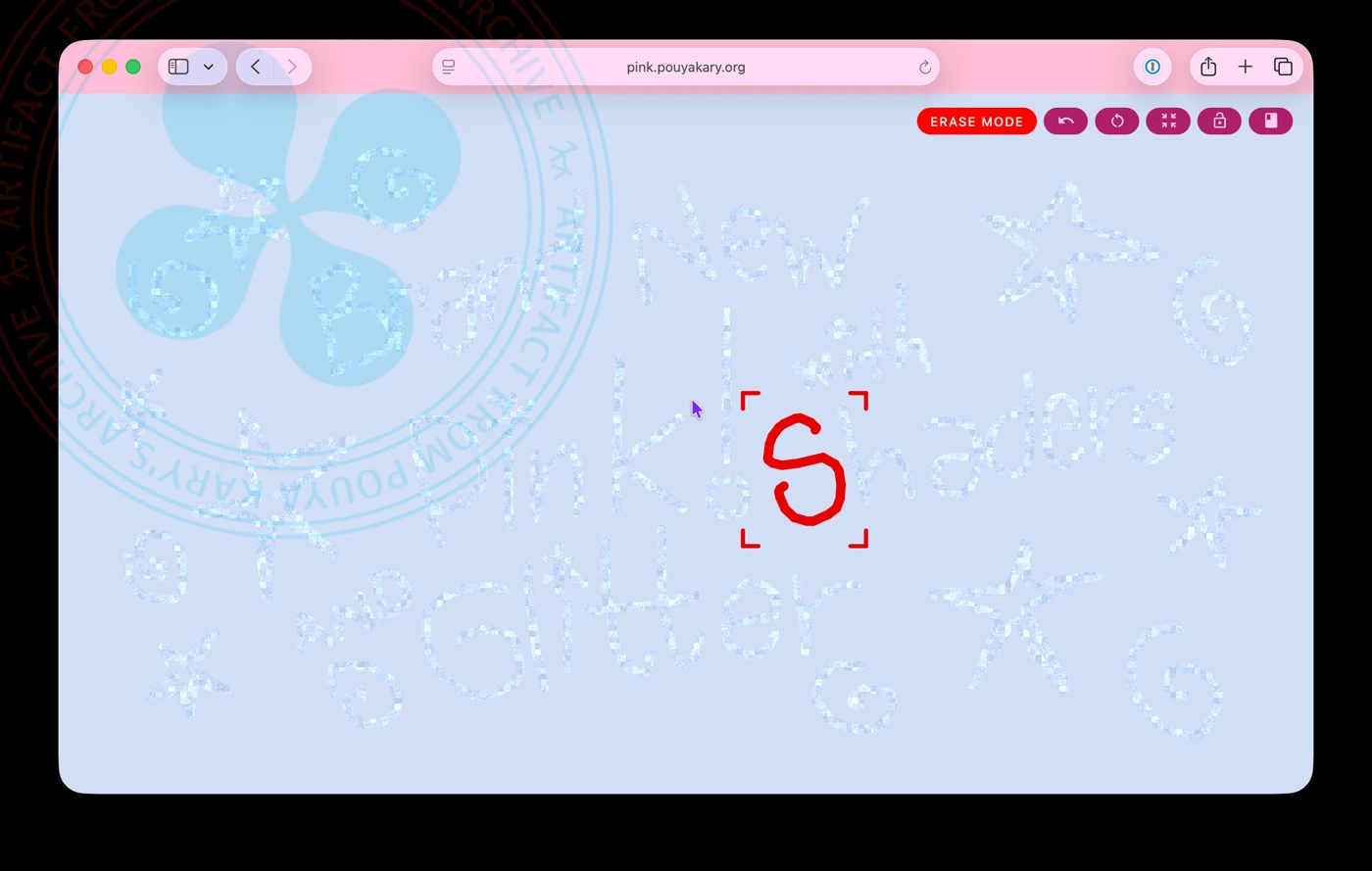
Pink! 2 with shader colors

Rewrote Pink! With shaders and awesome glitter effect, that at the same time reduces the performance footprint! Always wished to do this! (1/2)
Pink! 2 with shader colors

Rewrote Pink! With shaders and awesome glitter effect, that at the same time reduces the performance footprint! Always wished to do this! (2/2)
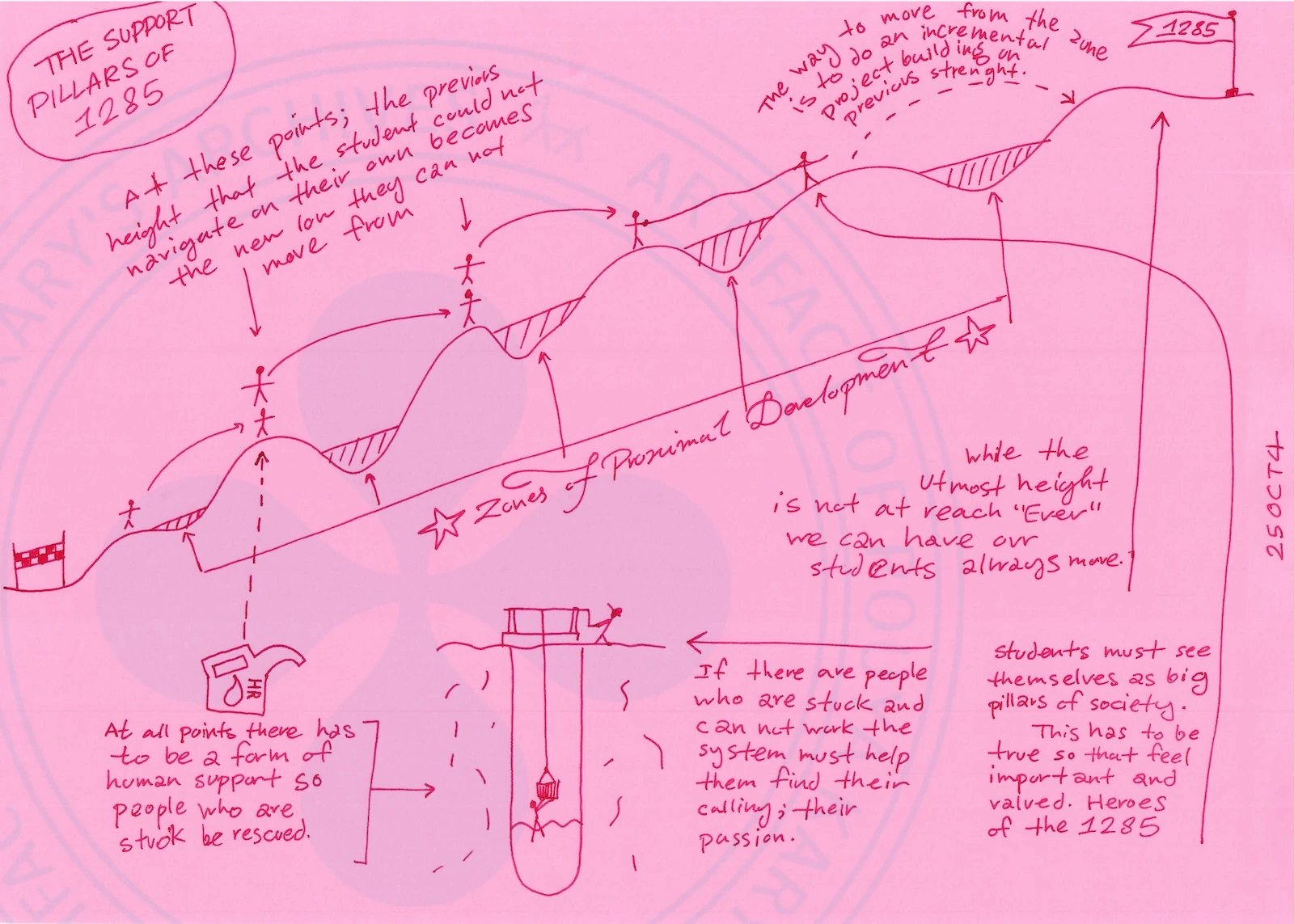
Based on the diagram you’ve shared, here is a structured explanation and transcription, designed to be placed directly into the machine tag of your Archive.
Machine Transcription & Analysis:
This is a conceptual diagram titled 'THE SUPPORT PILLARS OF 1285', outlining the pedagogical and structural philosophy for the 1285 educational program. It visualizes the learning journey as a landscape of peaks and valleys, framed within Vygotsky's Zone of Proximal Development (ZPD).
1. The Topography of Learning (The Path):
The journey is depicted as a wavy line with 'checkpoints' and a final flag labeled '1285' at the top right.
ZPD as a Landscape: The stars labeled 'Zones of Proximal Development' indicate that the entire path is a series of scaffolded learning zones.

Incremental Progress: An annotation at the top right states: 'The way to move from the zone is to do an incremental project building on previous strength.' This emphasizes that growth is achieved through small, achievable steps that utilize existing tools to acquire new ones.

2. The Mechanism of Support (The Pillars):
The diagram emphasizes that a student cannot navigate this landscape alone; specific support structures are required.
Human Intervention at Sticking Points: In the upper left, a figure is shown stuck on a slope. The text reads: 'At these points; the previous height that the student could not navigate in their own became the new low they can not move from.' To address this, a diagram below shows a rescue pulley lowering a support system. The accompanying text states: 'At all points there has to be a form of human support so people who are stuck be rescued.' This implies that 1285 requires active mentors or facilitators to intervene when a student's graph is saturated or they have hit a barrier they cannot cross alone.

3. Identifying the Stuck Student (The Deep Dive):
In the lower middle section, there is a drawing of a deep well with a person at the bottom, a bucket, and a pulley. The text reads: 'If there are people who are stuck and can not work the system must help them find their calling—their passion.' This suggests that for those who are completely disengaged or cannot find a foothold in the standard path, the system's role is not to push them forward, but to go deep and help them rediscover their intrinsic motivation.
4. The Ultimate Goal (The Heroic Ethos):
Two final notes frame the overarching philosophy:
On Attainability: 'While the utmost height is not at reach 'Ever' we can have our students always move.' This acknowledges that mastery is infinite, but the system's purpose is to ensure continuous, unending growth.

On Self-Concept: 'Students must see themselves as big pillars of society. This has to be true so that feel important and valued. Heroes of the 1285.' This establishes the core identity of the 1285 student: not a passive consumer of education, but an active, respected 'Artist in Residence' and a foundational pillar of the community.

The Support Pillars of 1285

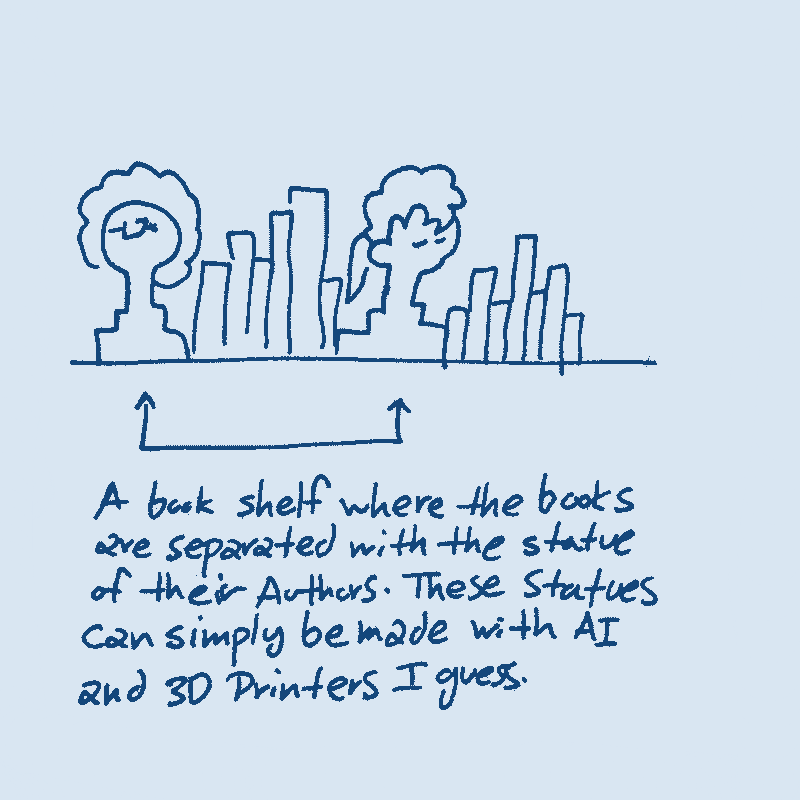
A Bookshelf Separated With Author Statues
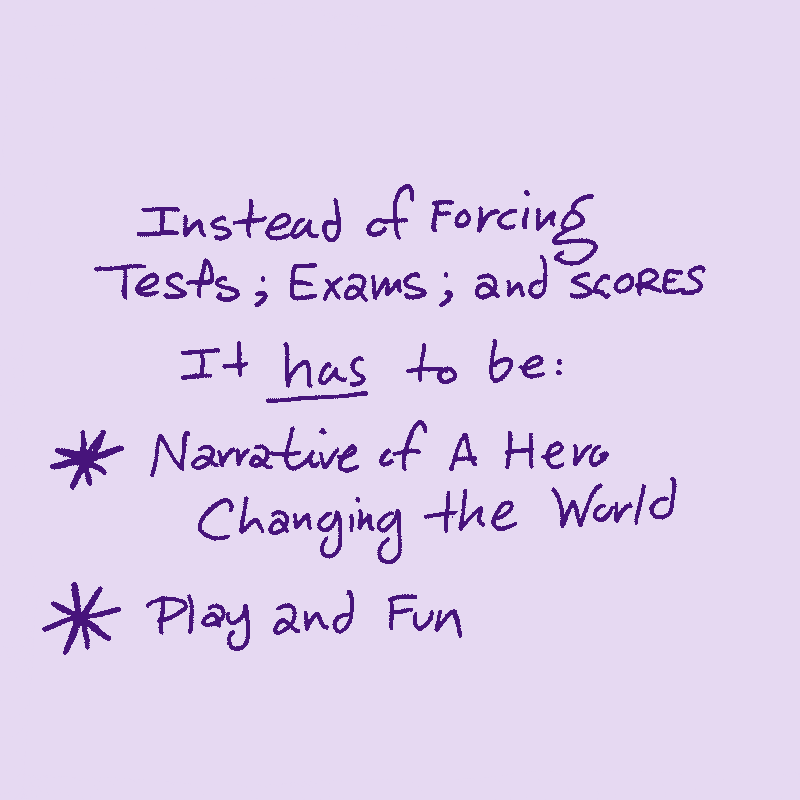
How To Revolutionize Education for Children_
New Design Considerations For The 1285
Quotes & Excerpts

If we’re serious about curiosity and wonder, then we have to think, ‘What are the sub-habits that lead to that?’ This school recognizes that the path to curiosity and wonder is through openness to new ideas, comfort with complexity, ability to ask questions. For each of those sub-habits, there are different descriptions, so this is what a person looks like when they’re a novice, when they’re a beginner, when they reach expert stage. This is not something that only teachers look at. Those rubrics are used by students and parents all the time. That’s what I mean by assessment as learning. Young people at that school are constantly reflecting on where they’re at on the continuum. As a result, I’ve never met young people who are better able to articulate their strengths and weaknesses and what they want to do with their lives and why.

SAM CHALTAIN

The Learning Record was originally developed in London and grew out of the need to identify the progress of students for whom standard assessments weren’t working.

KEN ROBINSON & LOU ARONICA

If we’re serious about curiosity and wonder, then we have to think, ‘What are the sub-habits that lead to that?

KEN ROBINSON & LOU ARONICA

They would find out that this was a kid that loved science but doesn’t like reading. Then the teacher would start thinking of creative solutions, like, “How about science fiction?”

KEN ROBINSON & LOU ARONICA
Day's Context
Open Books