Pluribus only keeps getting better.
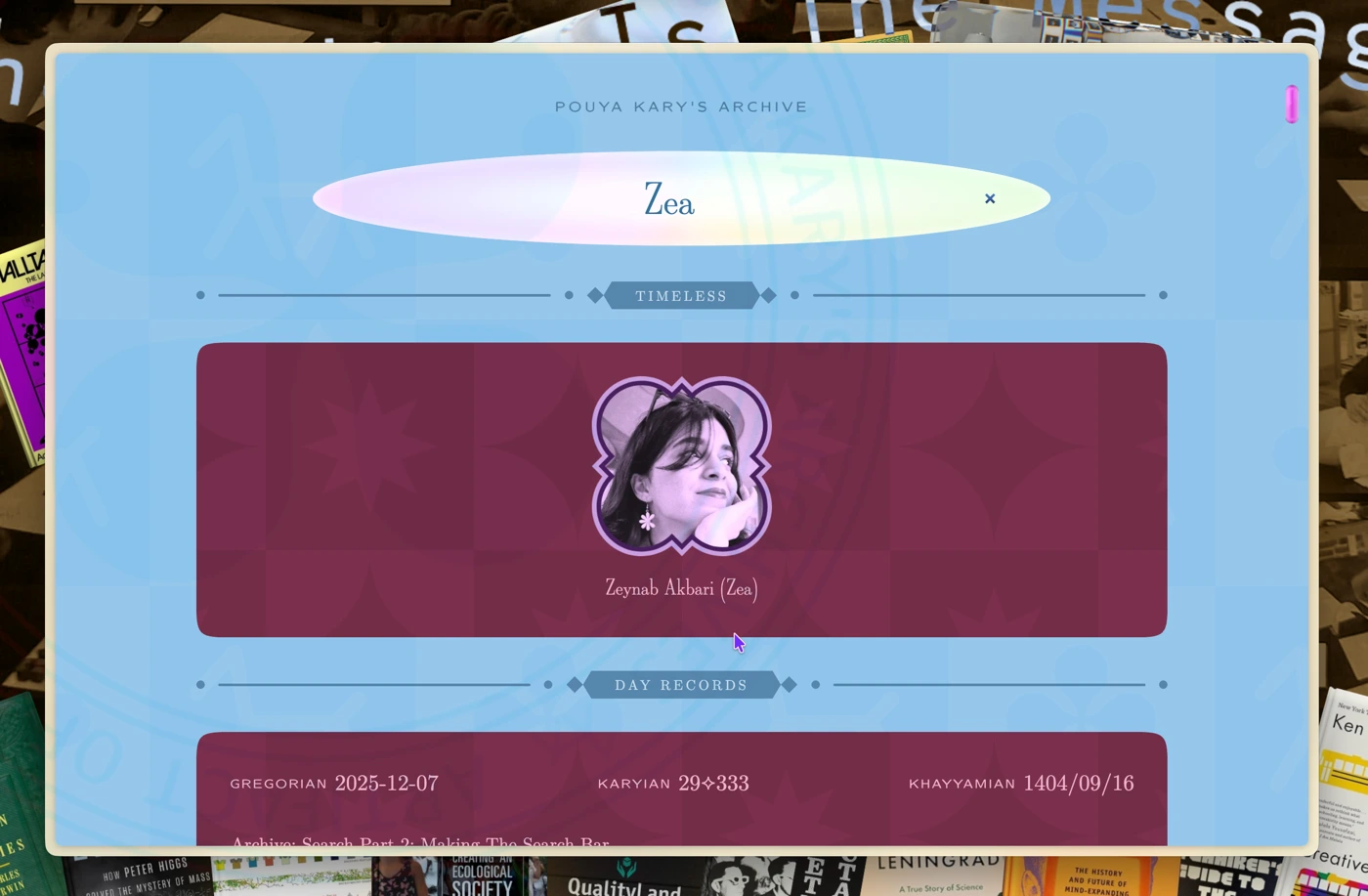
The design of the simple elliptical portraits in Archive never satisfied me. My glass shaders don’t operate in Archive’s builder environment, and I couldn’t agree with the basic version. However, I used to know of this painting and was obsessed with the style of its border, so I took that for the Archive. (1/3)
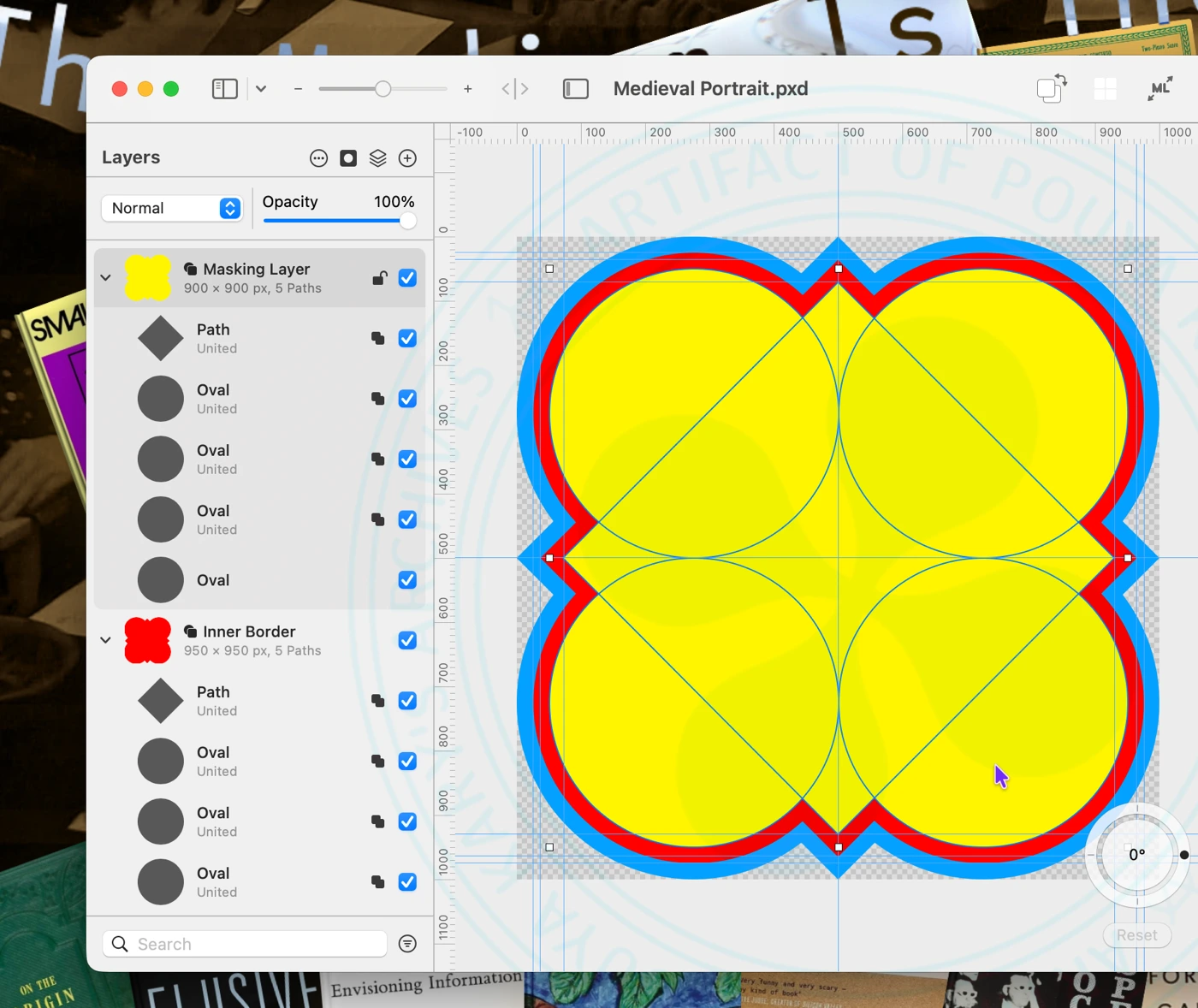
This was hard to make. At first I wanted to create a shape in Pixelmator and have different levels of strokes on it, then have Pixelmator turn each border into a separate SVG Path that I could use. But it failed to do so, and so, by hand, I had to create three different layers of the same shape by measuring the stroke of the previous and use it for creating the portrait painter. (2/3)
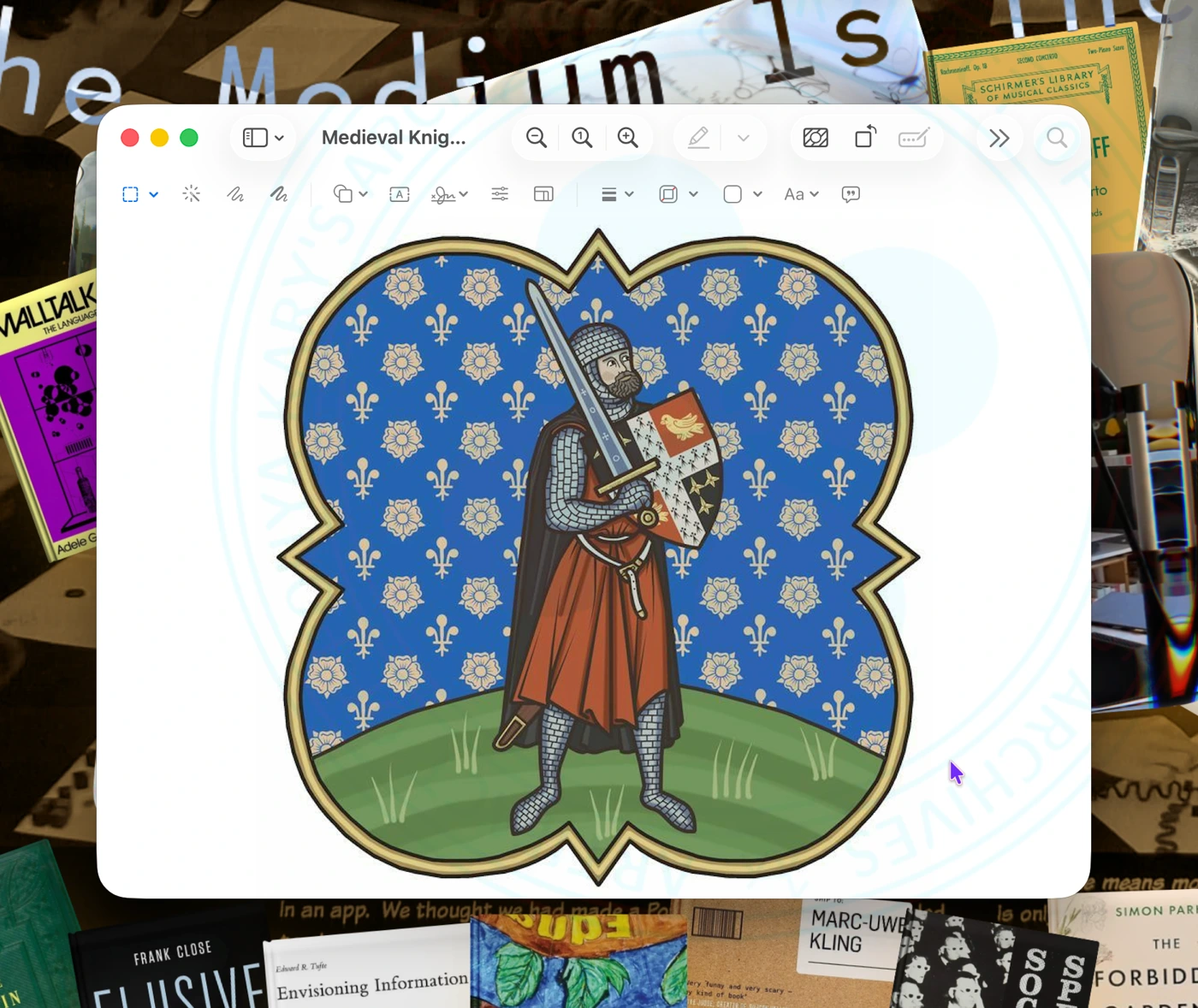
The original inspiration for this borders are this Manuscript Miniature (2020) by Mr. Brain Abshier. Great and amazing work (3/3)
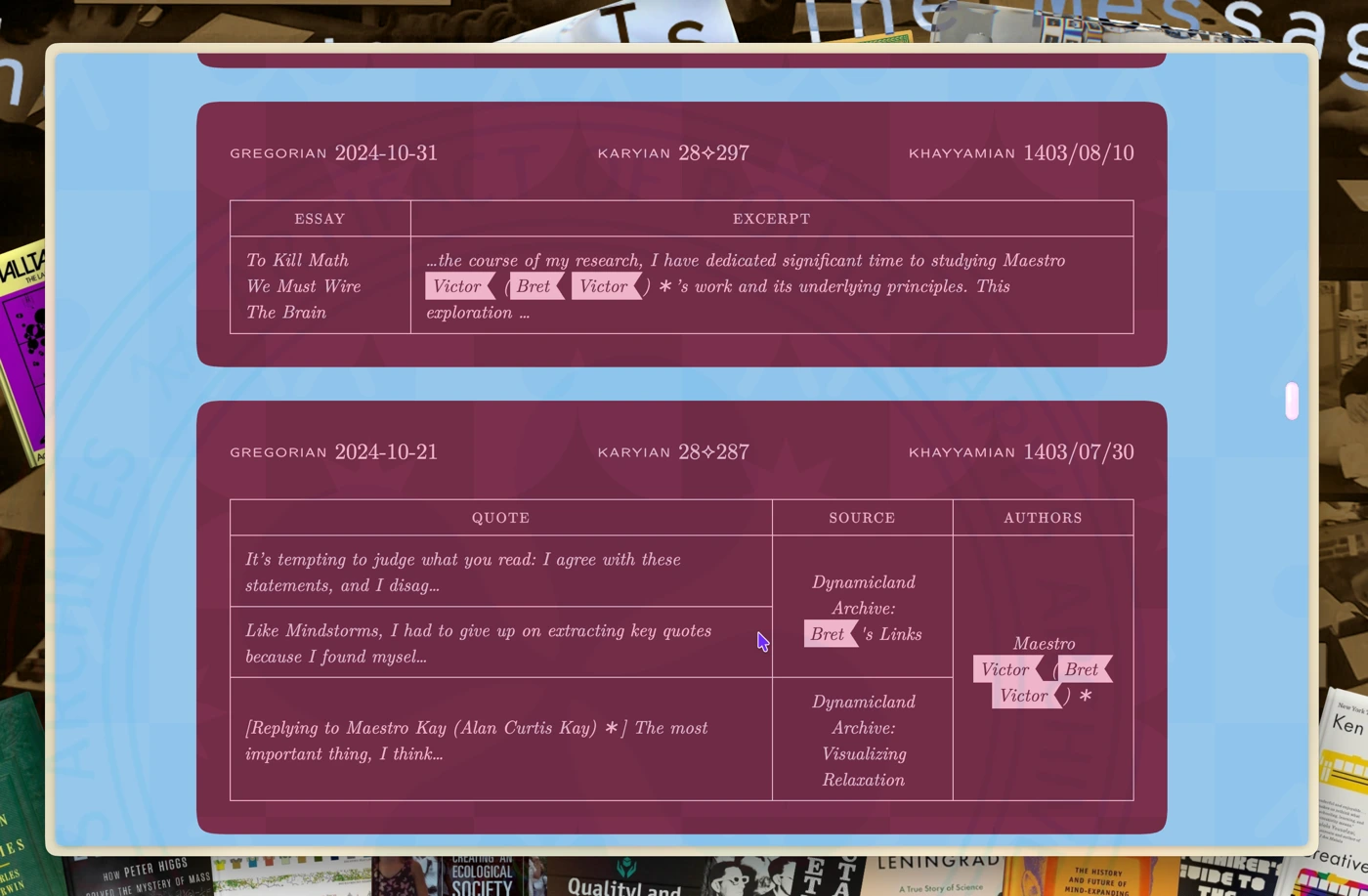
The search was broken in layout times, and so I adopted a VSCode extension threading style for it, then improved the look of the search: squaricles for the search days, and flags for results. Still, the search needs much rewriting but is better for the time when I have to figure out how it must look.
Some of my stuff at Google was not shipping, and I was quite frustrated, and I talked to a VP about it, and he said something I’ll never forget. He goes:
"The fastest way to ship your features to have Apple do it first.
I want to point out a company called Ink & Switch. They do open-source research and are the team behind CRDTs. […] They have a really lovely model: you fund small teams of one to three people, and they work with a tight focus for four months. The idea is that you spend three of those months building something, anything, fast, and then a full month writing a paper about it. That part is really important because it forces you to stop and think. When you write, you end up learning and reflecting on what happened: what went well, what went badly, and what you should do next.
At the end, they publish it as an open-source paper. All the code is open source, the paper is open source, and really lovely things happen because you can then do a version two. On top of that, universities can take the work and say, “That’s cool, can we build something on top of it?” Suddenly, you’re effectively building an open-source research community. It’s not just one or two outputs, but many.
I think it’s a very powerful way to magnify learning, and they’re doing it on a dime, with very low funding. It’s a very open, very powerful model, and I think it should be considered a role model for this kind of work.