0
1
2
3
4
5
6
7
8
9
0
1
2
3
4
5
6
7
8
9
0
1
2
3
4
5
6
7
8
9
0
1
2
3
4
5
6
7
8
9
0
1
2
3
4
5
6
7
8
9
0
1
2
3
4
5
6
7
8
9
0
1
2
3
4
5
6
7
8
9
0
1
2
3
4
5
6
7
8
9
0
1
2
3
4
5
6
7
8
9
0
1
2
3
4
5
6
7
8
9
0
1
2
3
4
5
6
7
8
9
0
1
2
3
4
5
6
7
8
9
/
0
1
2
3
4
5
6
7
8
9
0
1
2
3
4
5
6
7
8
9
/
0
1
2
3
4
5
6
7
8
9
0
1
2
3
4
5
6
7
8
9
ANNO·​TRICESIMO·​DIE·​DVCENTESIMO·​QVADRAGESIMO·​PRIMO·​VITÆ·​POVYA
One of the shaders so that you get what I mean  by the algorithm:
#ifdef GL_ES
precision mediump float;
#endif
uniform vec2 u_resolution;
uniform vec2 u_mouse;
uniform float u_time;
vec3 mod289(vec3 x) { return x - floor(x * (1.0 / 289.0)) * 289.0; }
vec2 mod289(vec2 x) { return x - floor(x * (1.0 / 289.0)) * 289.0; }
vec3 permute(vec3 x) { return mod289(((x*34.0)+1.0)*x); }
float snoise(vec2 v) {
const vec4 C = vec4(0.211324865405187,  // (3.0-sqrt(3.0))/6.0
0.366025403784439,  // 0.5*(sqrt(3.0)-1.0)
-0.577350269189626,  // -1.0 + 2.0 * C.x
0.024390243902439); // 1.0 / 41.0
vec2 i  = floor(v + dot(v, C.yy) );
vec2 x0 = v -   i + dot(i, C.xx);
vec2 i1;
i1 = (x0.x > x0.y) ? vec2(1.0, 0.0) : vec2(0.0, 1.0);
vec4 x12 = x0.xyxy + C.xxzz;
x12.xy -= i1;
i = mod289(i); // Avoid truncation effects in permutation
vec3 p = permute( permute( i.y + vec3(0.0, i1.y, 1.0 ))
+ i.x + vec3(0.0, i1.x, 1.0 ));
vec3 m = max(0.5 - vec3(dot(x0,x0), dot(x12.xy,x12.xy), dot(x12.zw,x12.zw)), 0.0);
m = m*m ;
m = m*m ;
vec3 x = 2.0 * fract(p * C.www) - 1.0;
vec3 h = abs(x) - 0.5;
vec3 ox = floor(x + 0.5);
vec3 a0 = x - ox;
m *= 1.79284291400159 - 0.85373472095314 * ( a0*a0 + h*h );
vec3 g;
g.x  = a0.x  * x0.x  + h.x  * x0.y;
g.yz = a0.yz * x12.xz + h.yz * x12.yw;
return 130.0 * dot(m, g);

}
void main() {
vec2 st = gl_FragCoord.xy/u_resolution.xy;
st.x *= u_resolution.x/u_resolution.y;
vec3 color = vec3(0.0);
vec2 pos = vec2(st*3.);
vec2 pos2 = vec2(st*2.);

float DF = 0.0;
float DF2 = 0.0;

// Add a random position
float a = 0.0;
float a2 = 0.0;

vec2 vel = vec2(u_time*.1);
vec2 vel2 = vec2(u_time*1.5);

DF += snoise(pos+vel)*.25+.25;
DF2 += snoise(pos+vel)*.4+.2;

// Add a random position
a = snoise(pos*vec2(cos(u_time*0.3),sin(u_time*0.1))*0.1)*1.950;
a2 = snoise(pos2*vec2(sin(u_time*0.656),cos(u_time*0.3))*0.1)*2.030;

vel = vec2(cos(a),sin(a));
vel2 = vec2(sin(a2),cos(a2));

DF += snoise(pos+vel)*-0.238+0.122;
DF2 += snoise(pos2+vel2)*0.458+-0.286;

color = vec3(smoothstep(2.036,0.102,fract(1.0 - DF)), smoothstep(-0.060,0.422,fract(DF2)), smoothstep(0.668,0.494,fract(DF2)) );

vec3 color2 = vec3(smoothstep(-2.076,-1.858,fract(1.0 - DF2)), smoothstep(-0.420,-0.458,fract(DF)), smoothstep(0.924,2.126,fract(DF)) );

gl_FragColor = vec4(mix(1.0-color, color2, 0.5), 1.0);

}

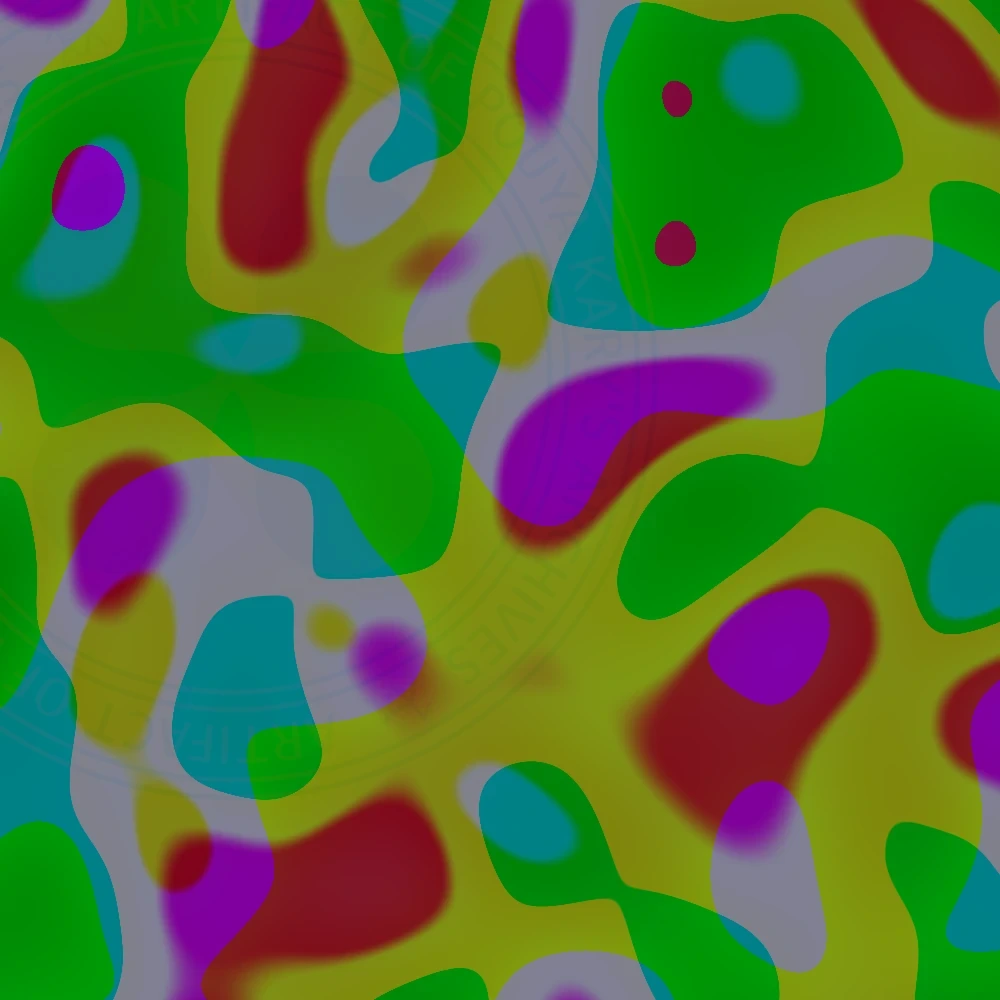
Trying to comeup with a nice shader for the Bret Victor’s Quotes Screensaver, I toyed with the simplex based shader I had. I then thought about having two layers moving in different ways and so I made it, and then toyed with the coloring algorithm. I ended up with a formula that was so strange, and the colors I ended up finding were really amazing. You can see some of them.
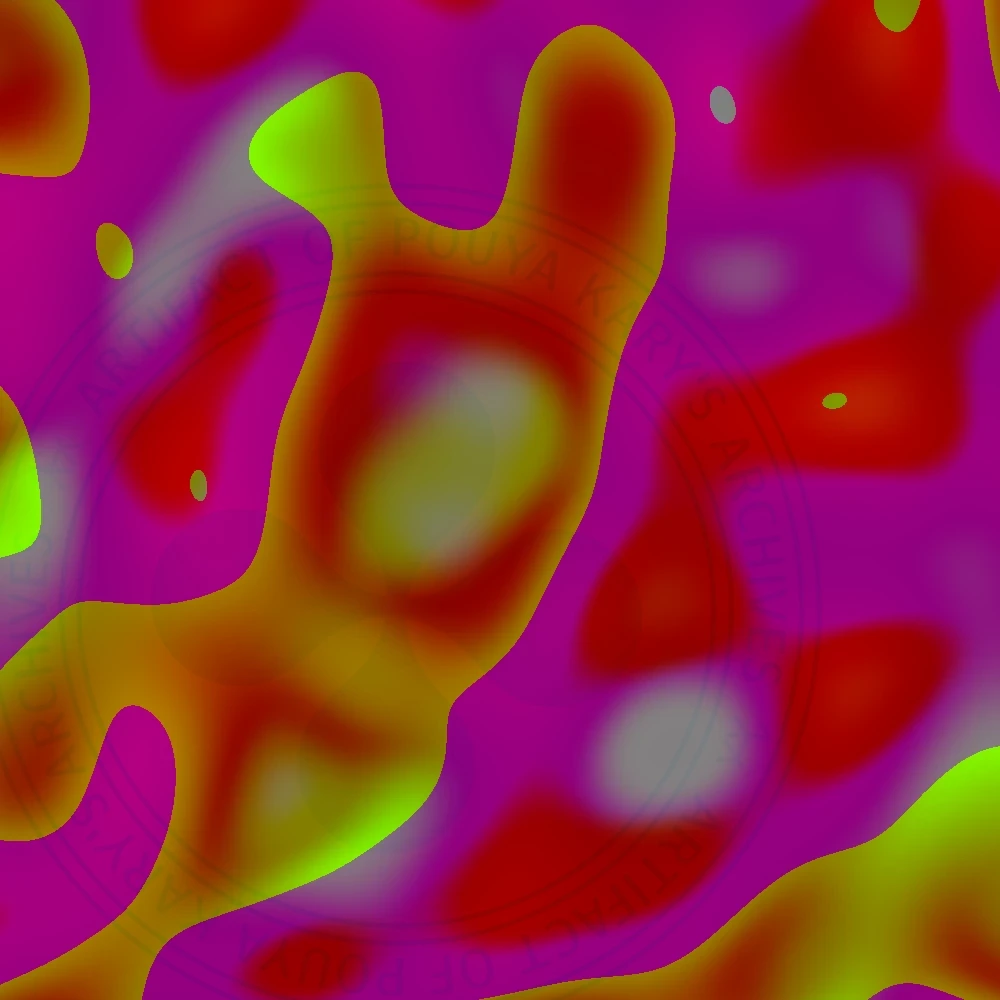
Making Different Simplex Shaders

Making Different Simplex Shaders (10/12)
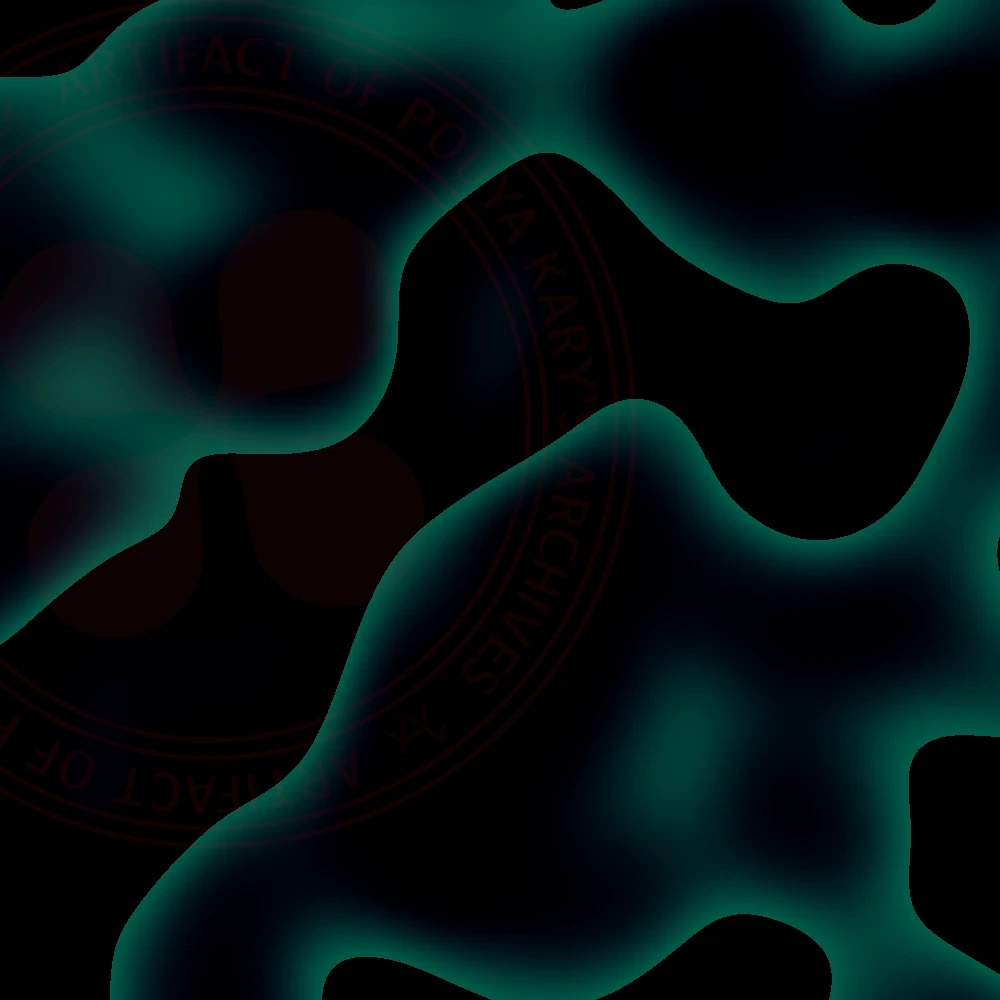
Making Different Simplex Shaders

Making Different Simplex Shaders (11/12)
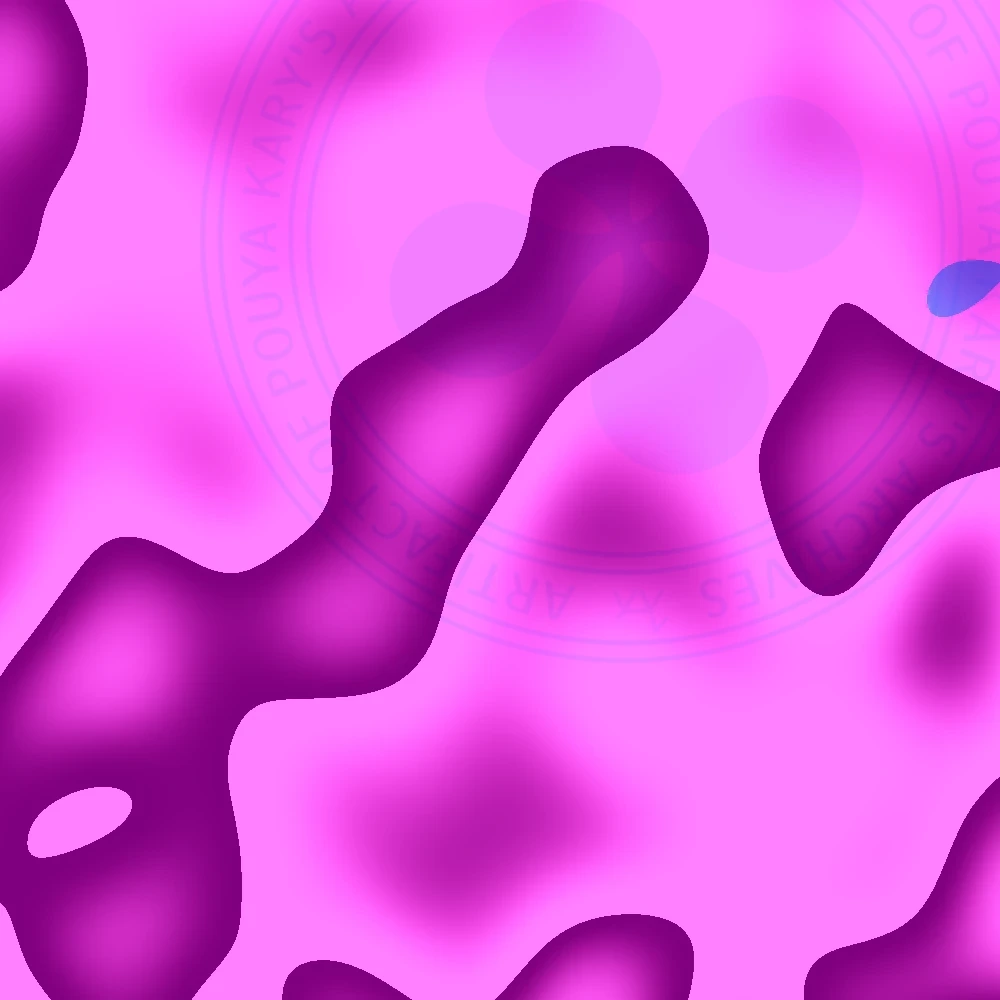
Making Different Simplex Shaders

Making Different Simplex Shaders (12/12)
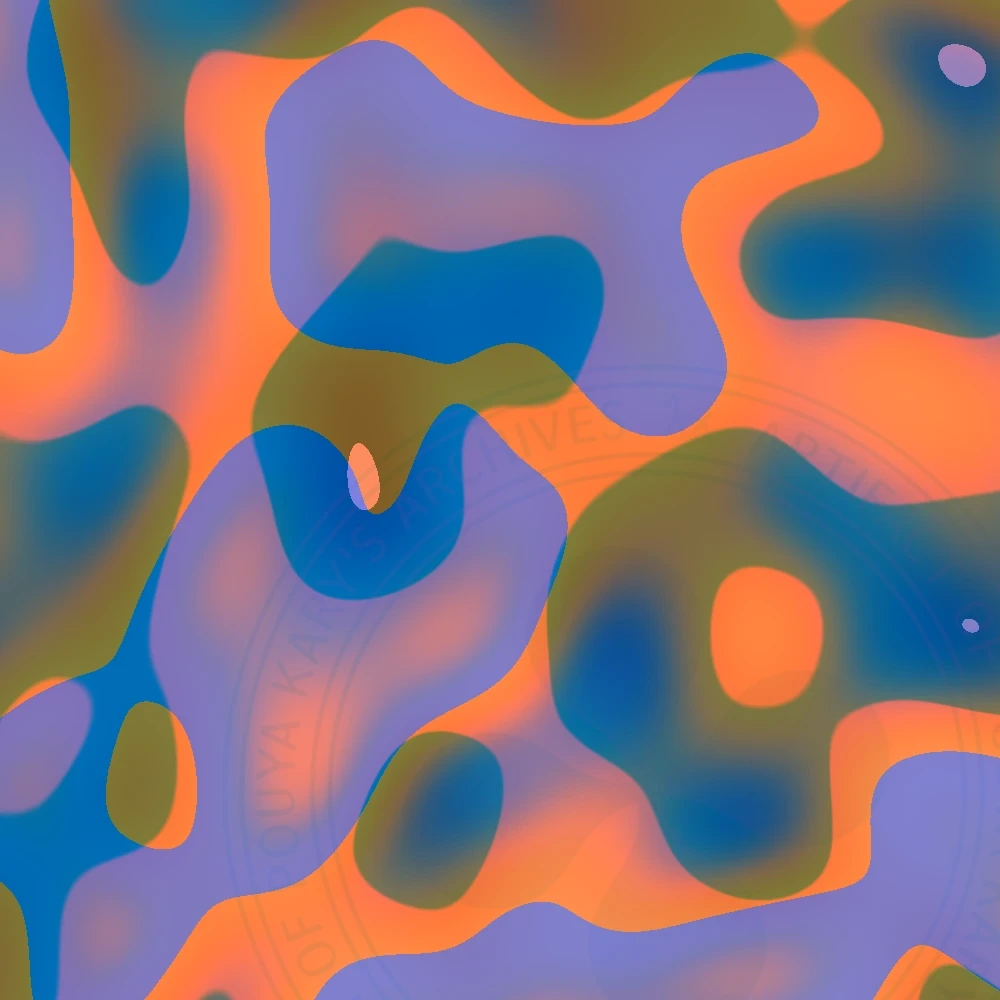
Making Different Simplex Shaders

Making Different Simplex Shaders (2/12)
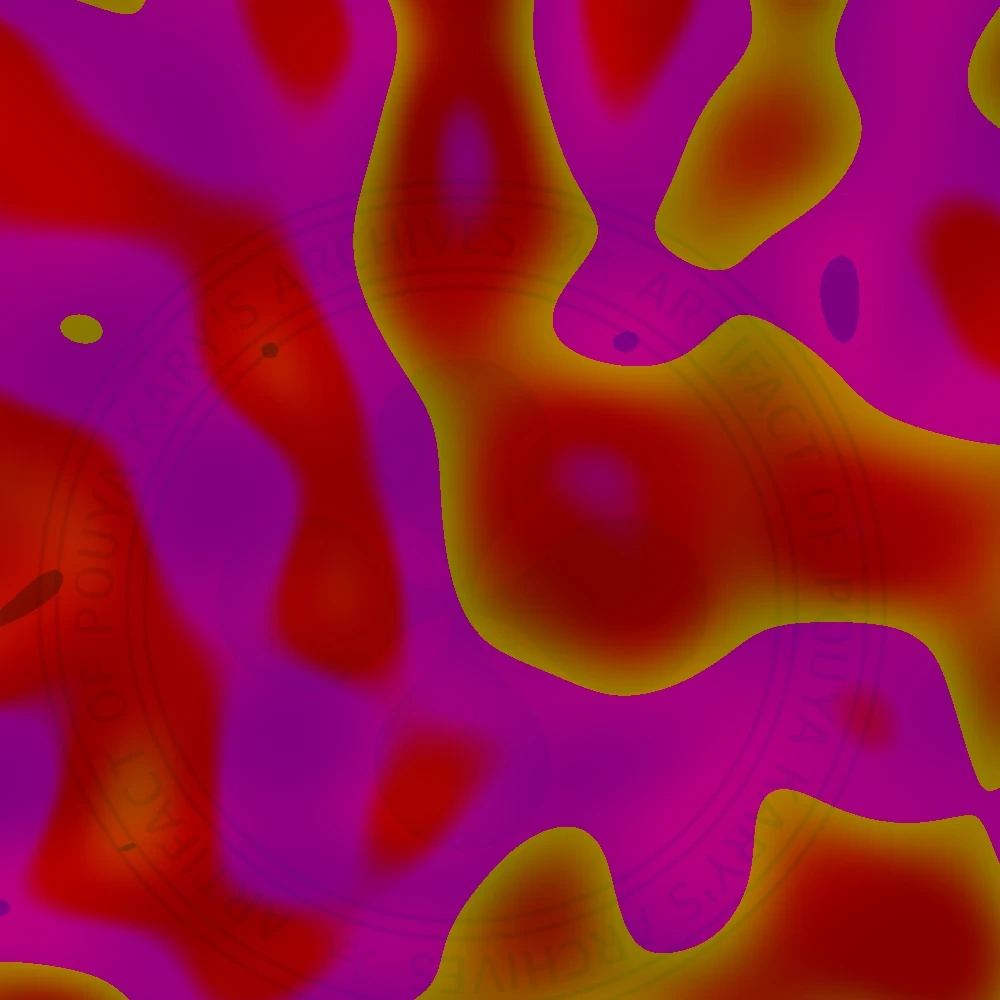
Making Different Simplex Shaders

Making Different Simplex Shaders (3/12)
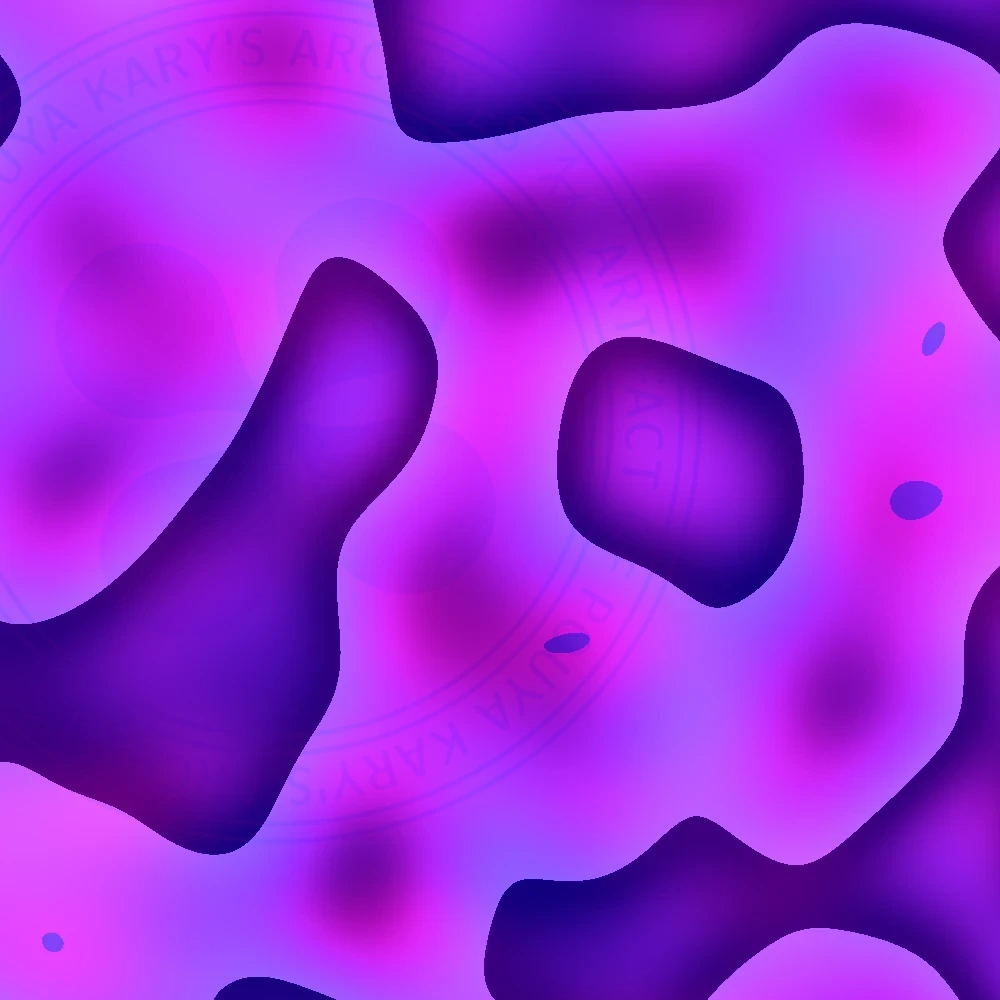
Making Different Simplex Shaders

Making Different Simplex Shaders (4/12)
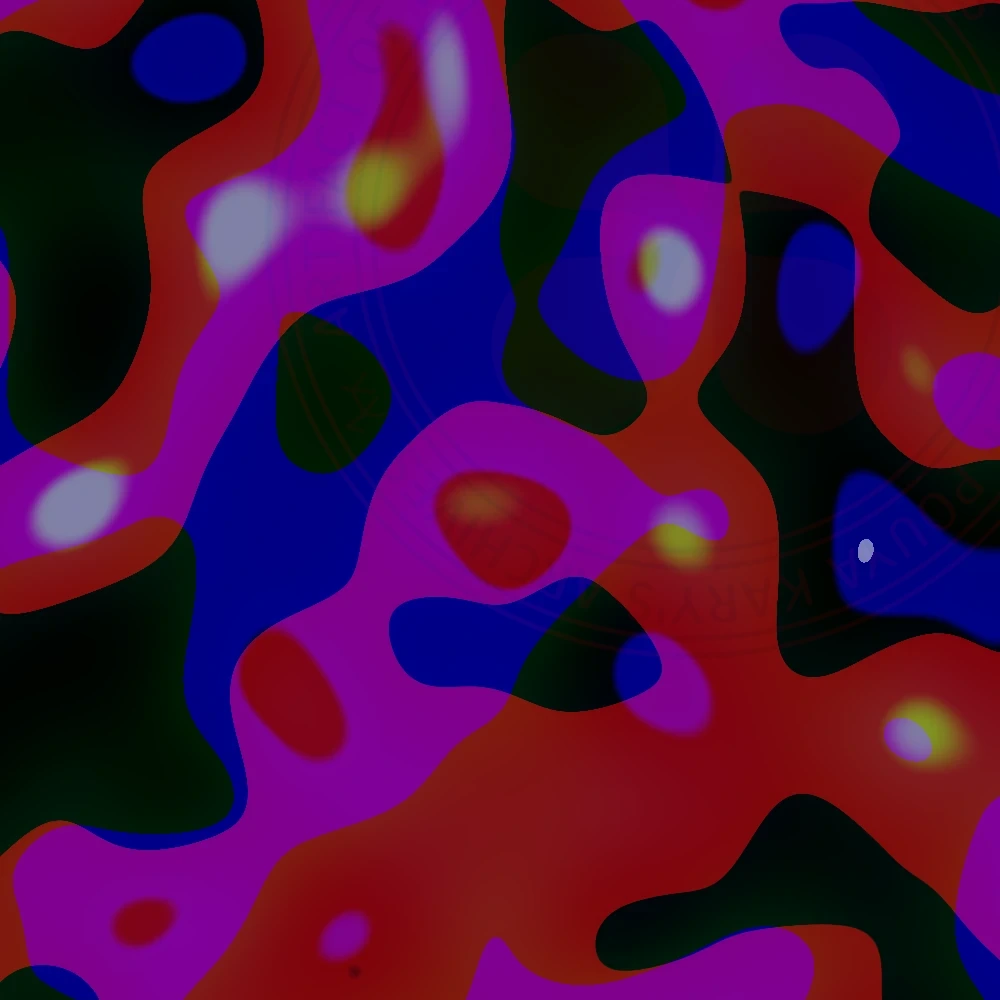
Making Different Simplex Shaders

Making Different Simplex Shaders (5/12)
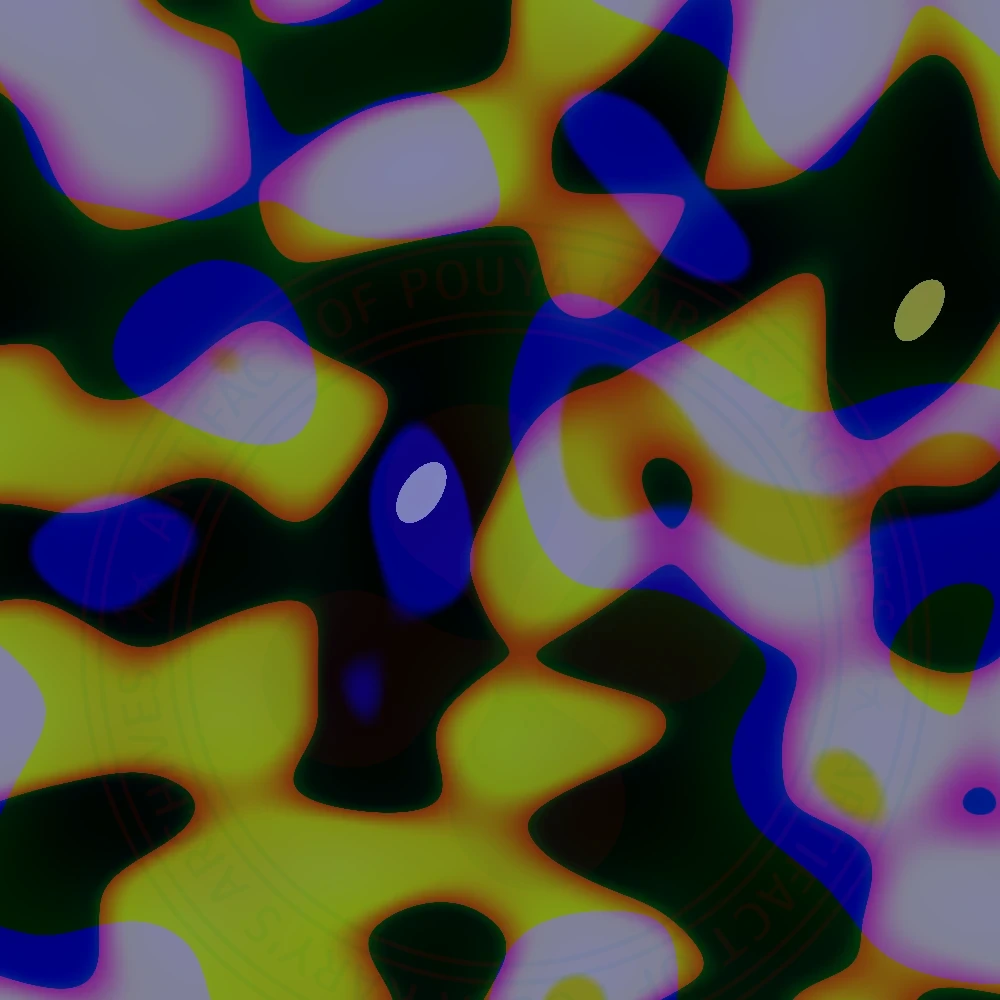
Making Different Simplex Shaders

Making Different Simplex Shaders (6/12)
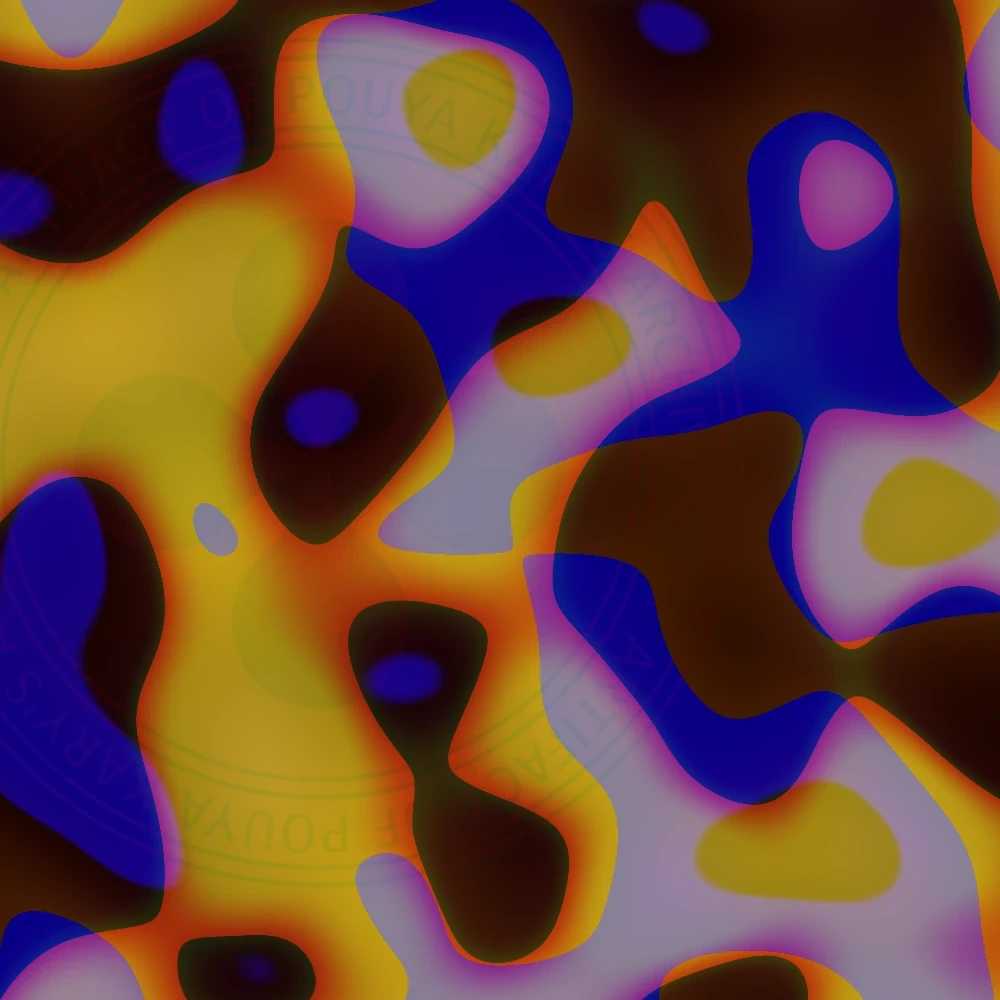
Making Different Simplex Shaders

Making Different Simplex Shaders (7/12)
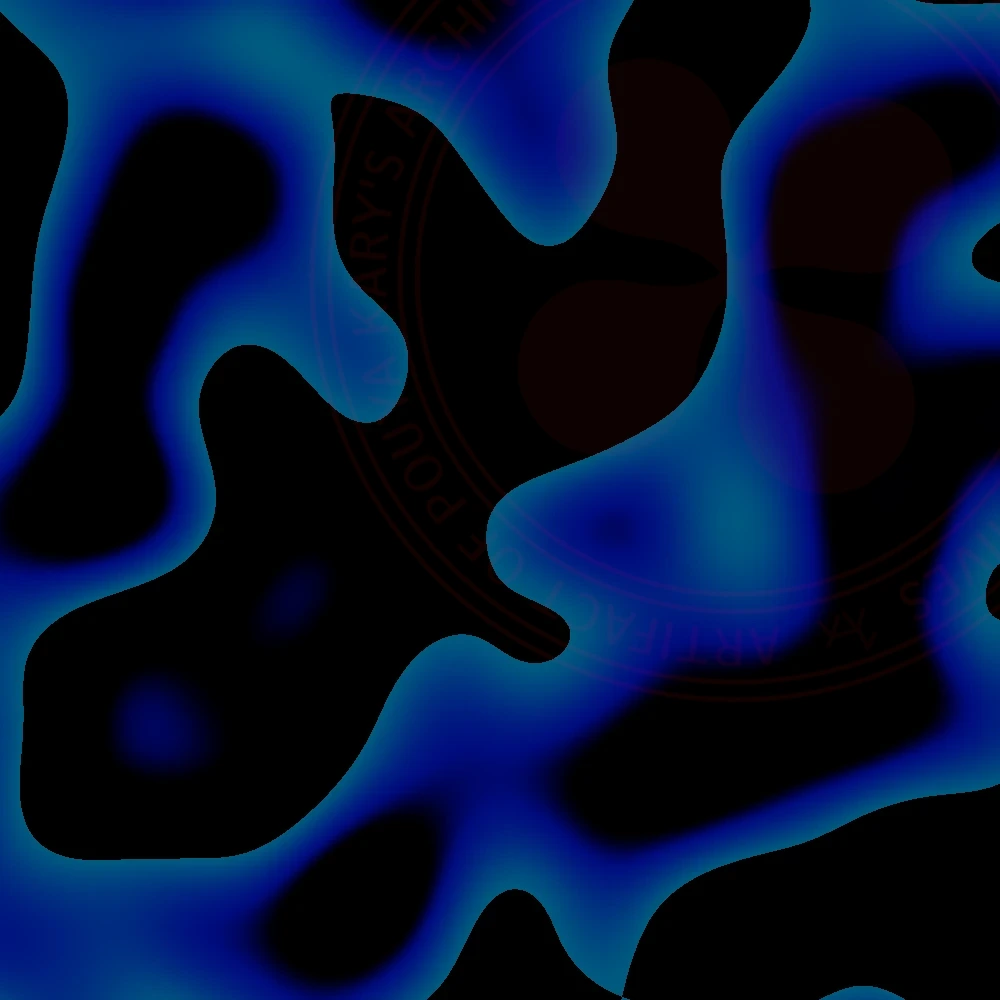
Making Different Simplex Shaders

Making Different Simplex Shaders (8/12)
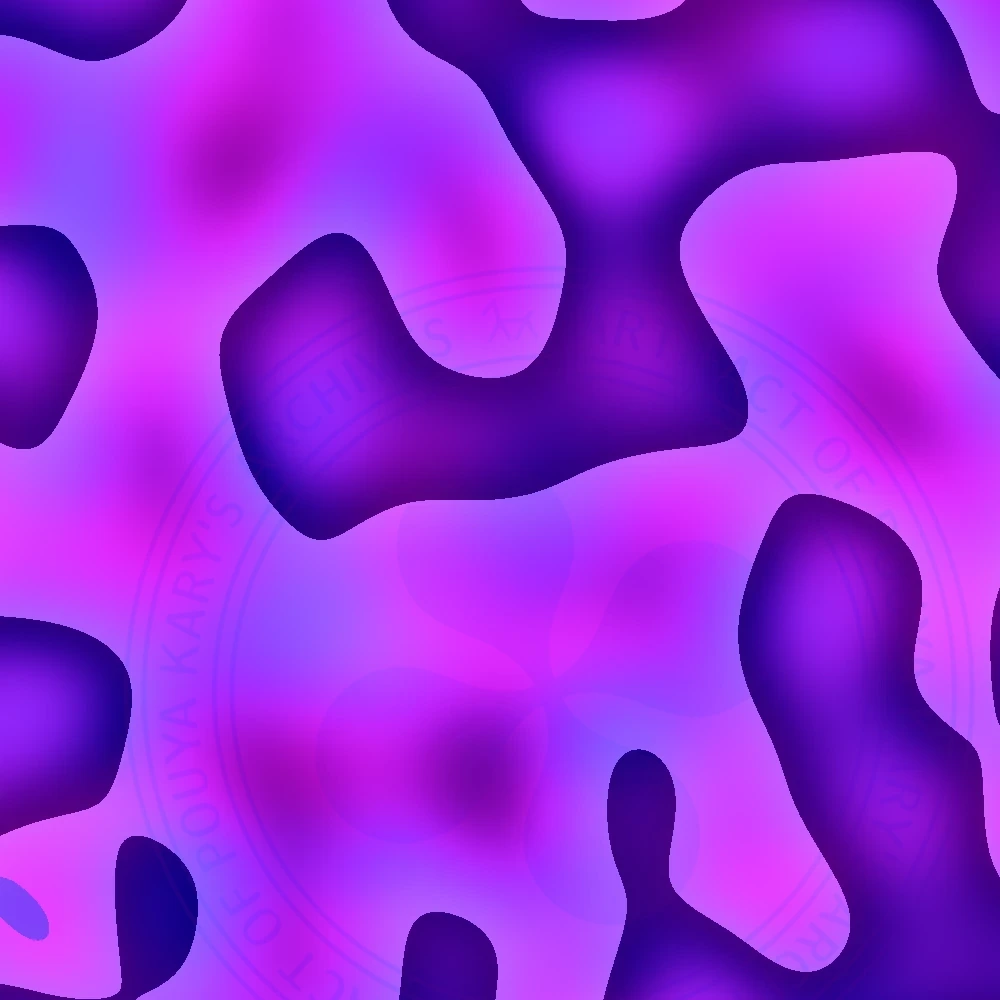
Making Different Simplex Shaders

Making Different Simplex Shaders (9/12)

Day's Context
Open Books