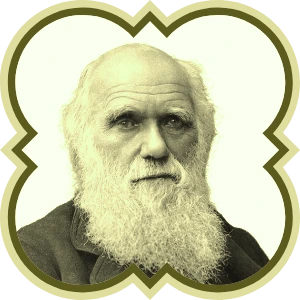
As much as I love Maestro Darwin for all things he did, I also very much like how he used to write. Very beautiful English.
Web is slowly becoming a place where you no longer have to do any single thing with stupid hacks and tricks. It has become way more stable.
Today is our 2121th day with Zea .
What I wrote about 1285 ’s dialect of Farsi has been badly misunderstood by LLMs. I didn’t mean I have invented a new language to force upon our artists, it was about having a beautiful way of writing Farsi (in the style sense) for our writings and stuff.
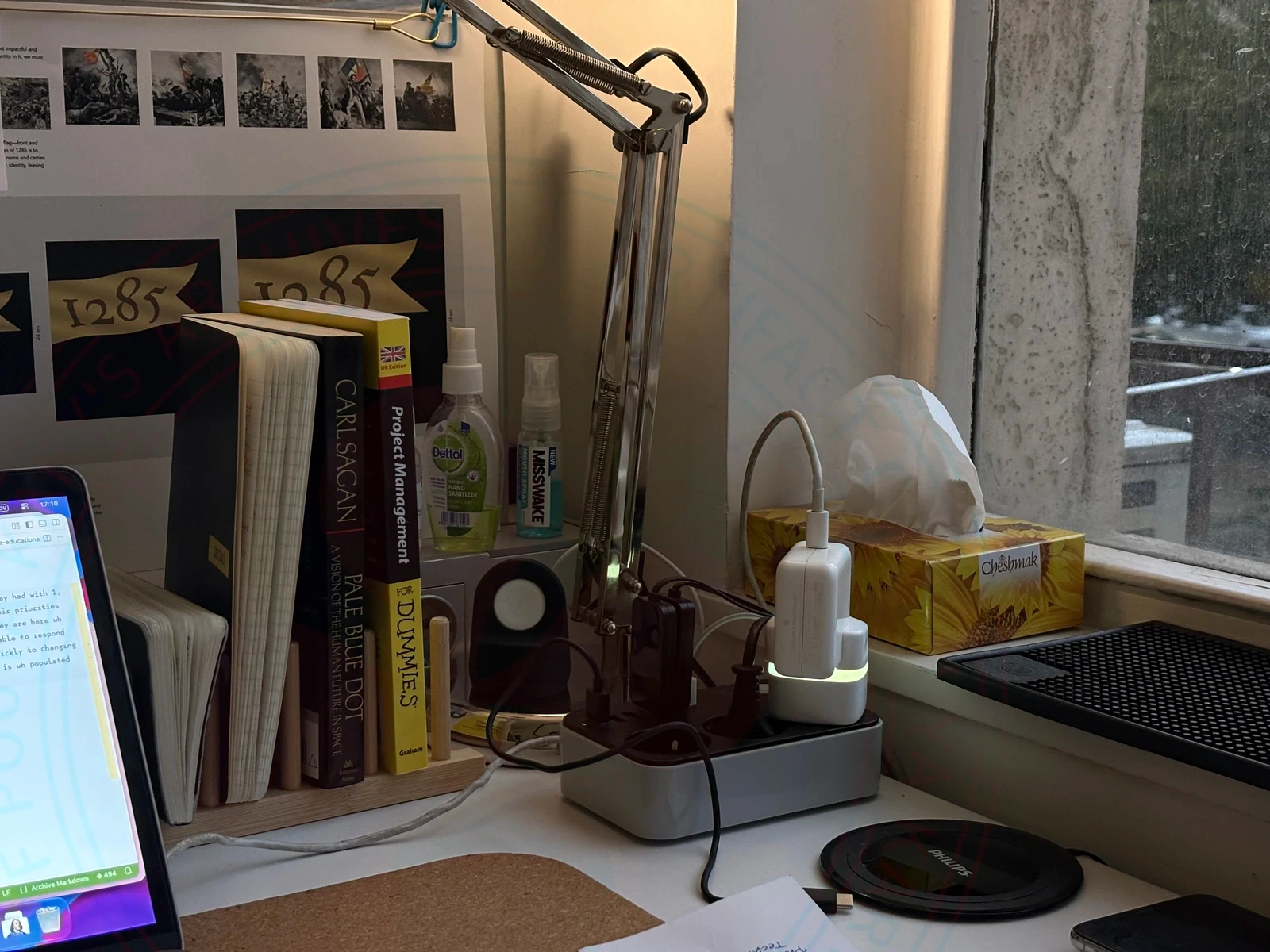
In the recent weeks, after getting back from First Island to ███████████’s office, I brought more change to my desk. One was adding the light Khashi gave me to the desk and making it light the wall. On the other side I brought the desk lamp I bought for Fabizi and put it on the other side of the room and lit it like a cafe. It has become so beautiful. In the pictures here, it was raining and I had the window opened, sitting and enjoying the strange light and atmosphere. It is truly the ████████ service of a life time!
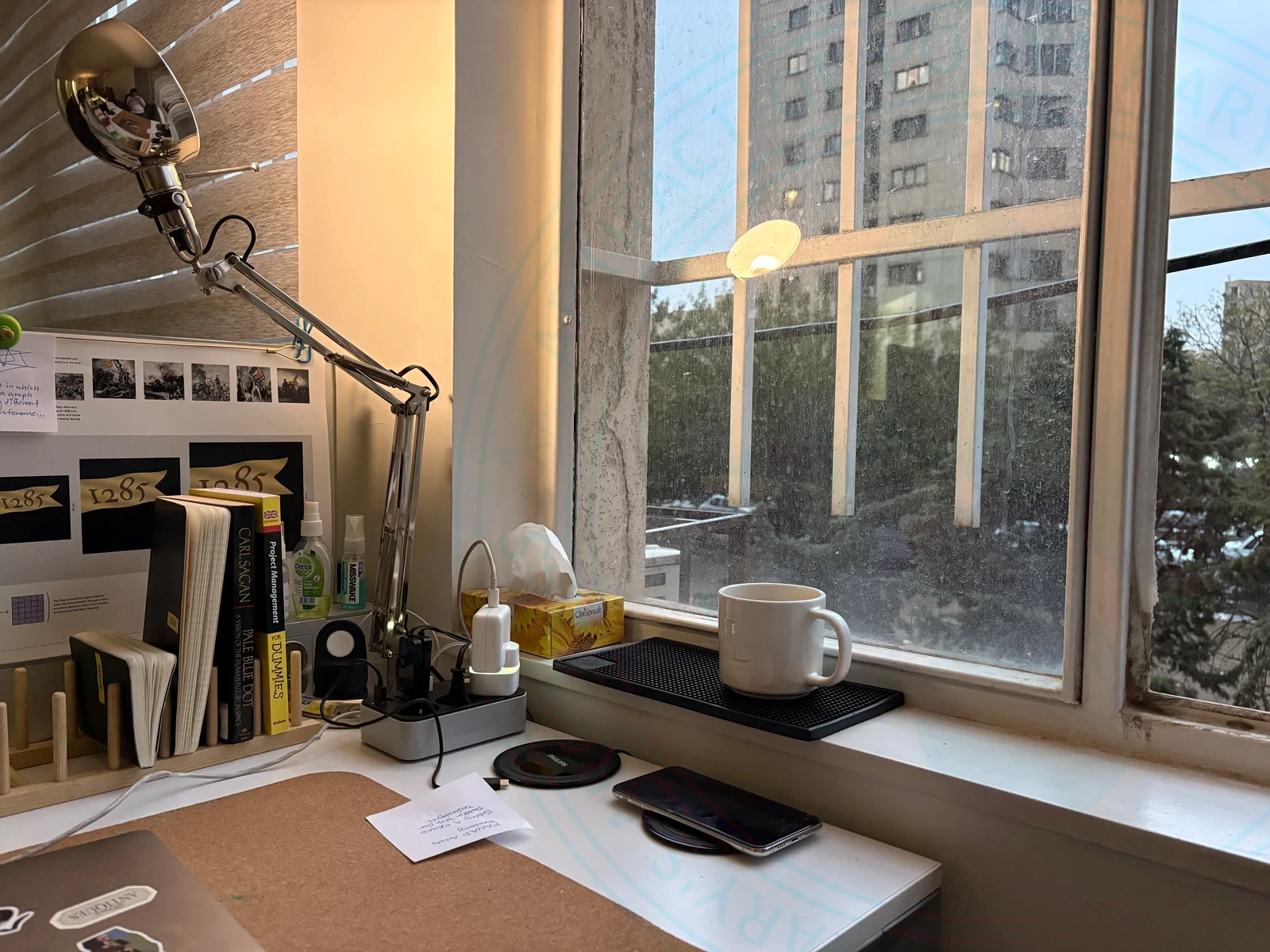
███████████’s Office In Rain (2/5)
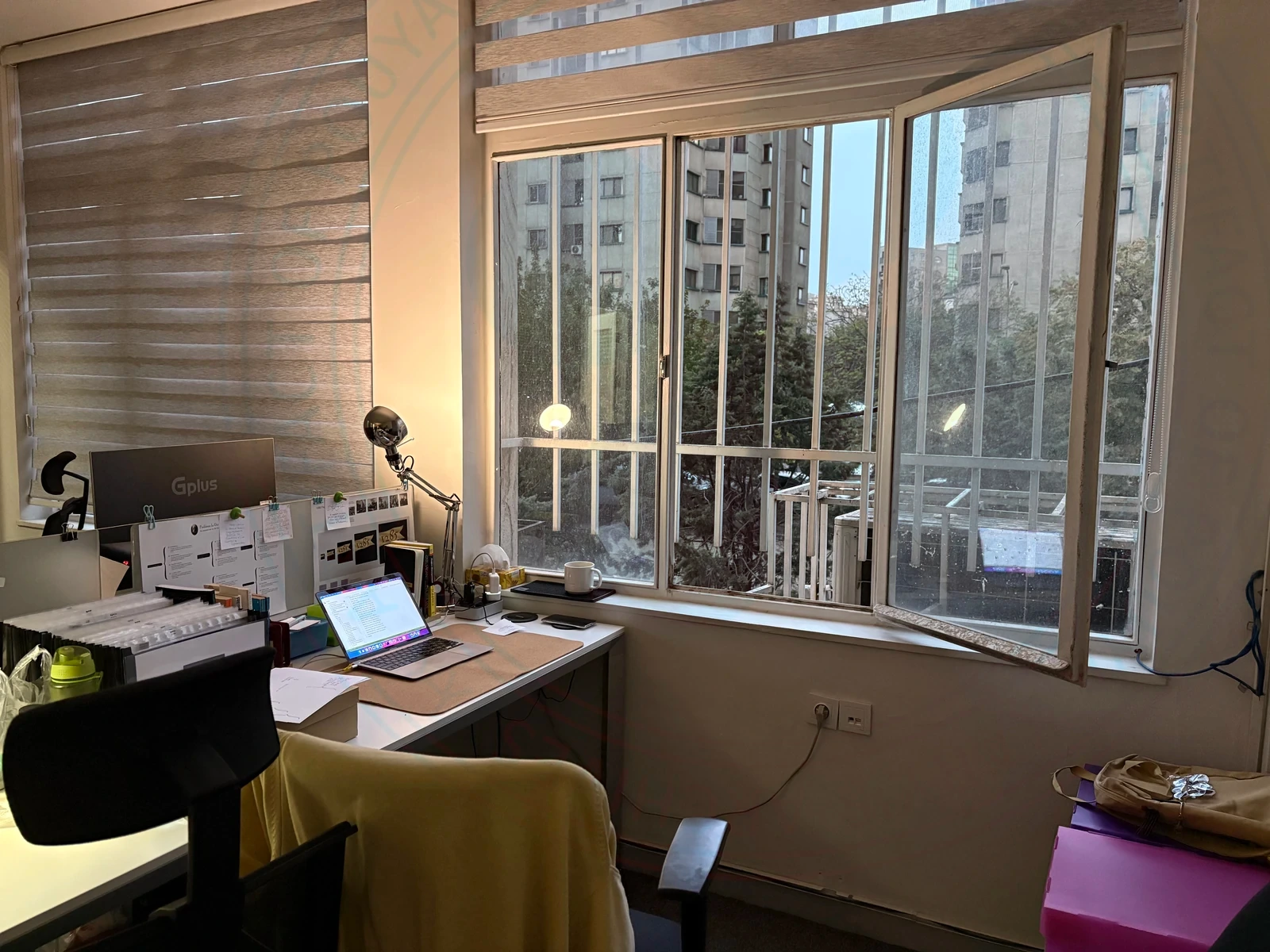
███████████’s Office In Rain (3/5)
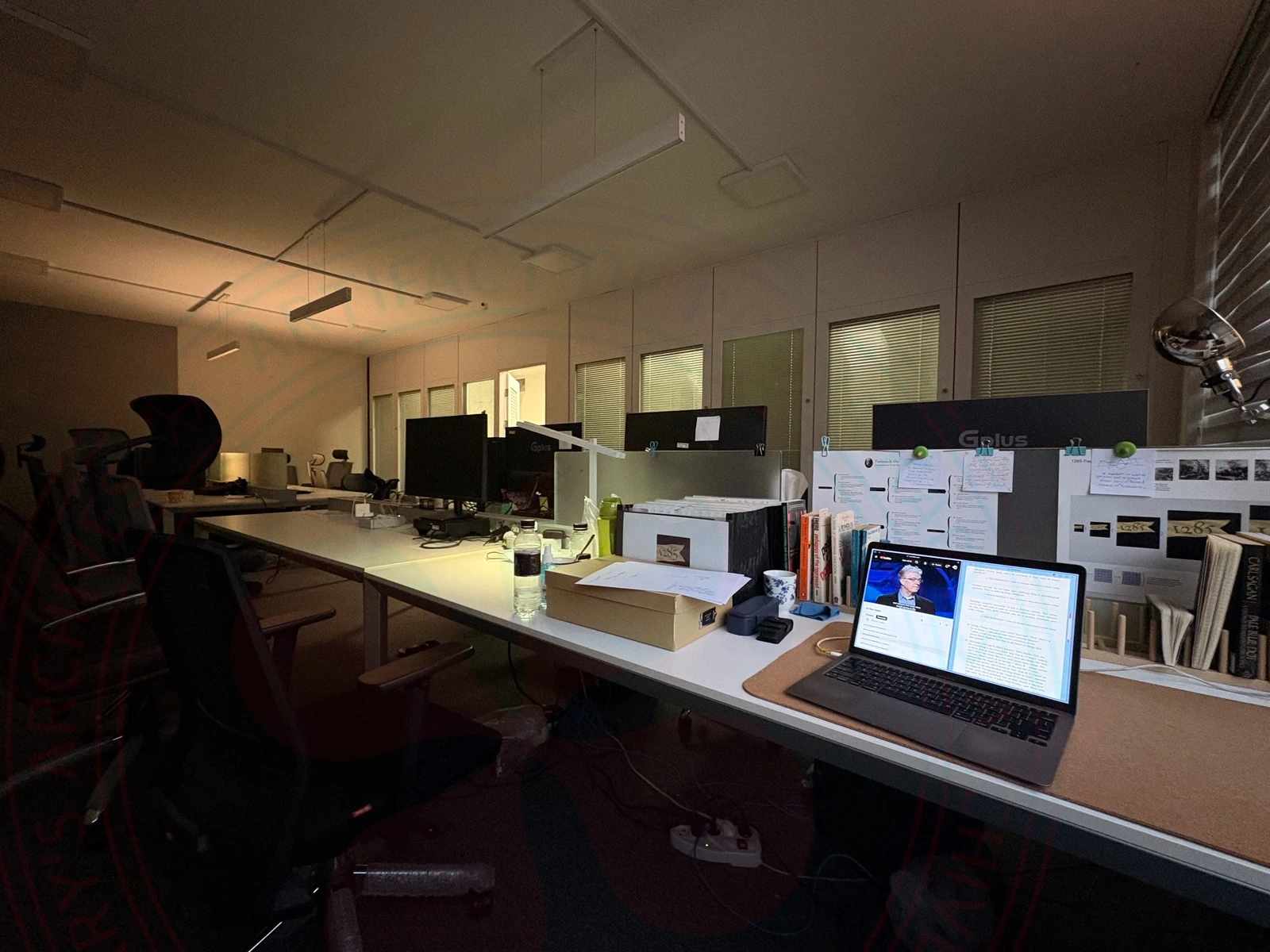
███████████’s Office In Rain (4/5)
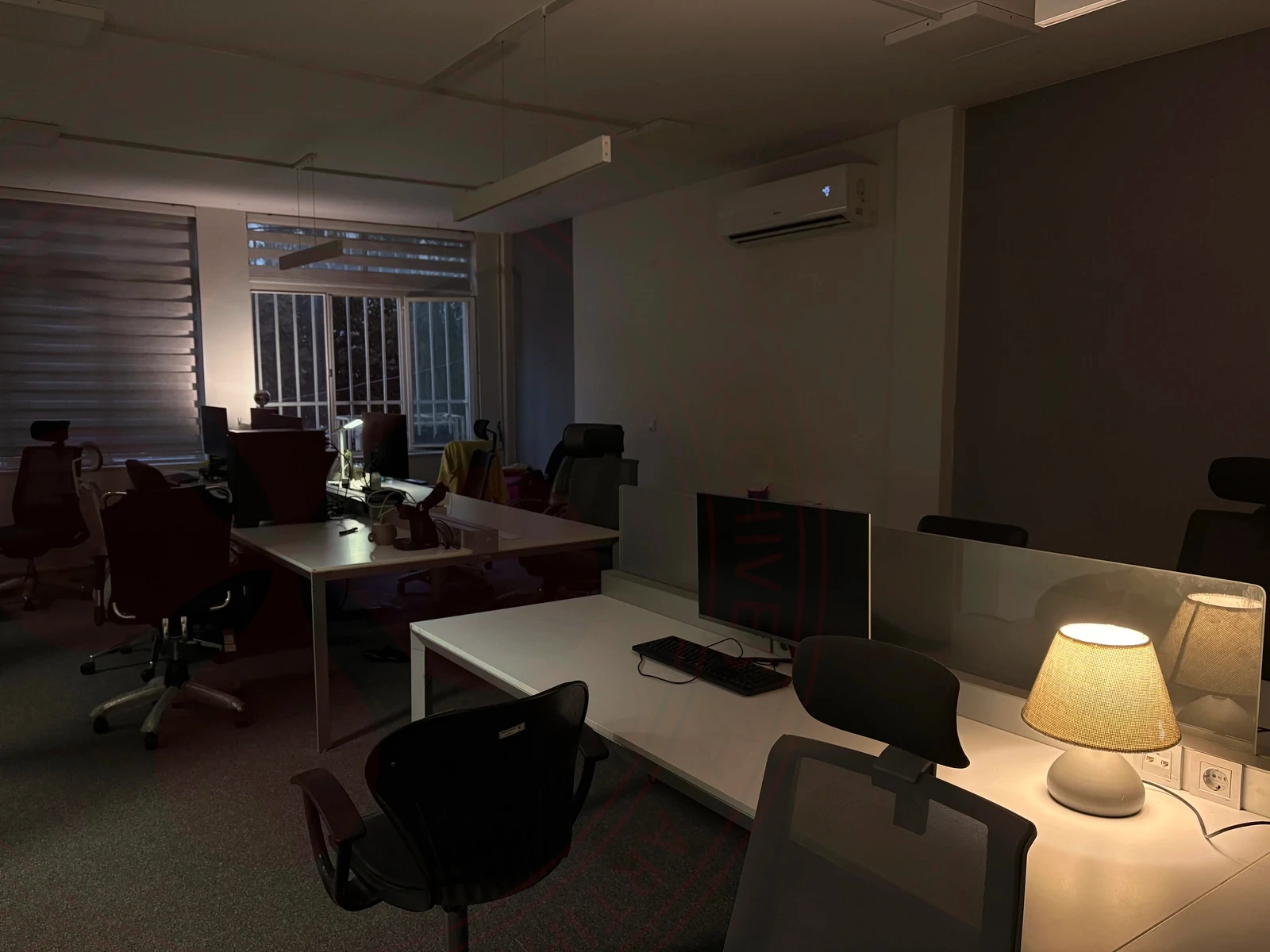
███████████’s Office In Rain (5/5)

KhalKhali (1/2)

KhalKhali (2/2)

Omelette (1/3)

Omelette (2/3)

Omelette (3/3)
When I ask the LLMs about lists; they usually come up with very long and sophisticated lists that all have one thing in common: They only are one slice of the cake. Each time I think about them there are parts missing.
Today I was trying to compose a list and mine as well was incomplete. I knew there exists ten times these lists but I could not have remembered them and my lists were only partials.
So I thought that is it; this has to do with the brain workspace and the J-space. And so very soon you see where I’m going with this.
What if you first take the list of categories or big modifiers and then make all subsets of that set of the size of the workspace. Then have yourself or an LLM; create the list with the same prompt and these different workspace sets!
One estimate in ███████ currently is that something like 10 percent of kids, getting on that way, are being diagnosed with various conditions under the broad title of attention deficit disorder: ADHD.
I’m not saying there’s no such thing. I just don’t believe it’s an epidemic like this. If you sit kids down, hour after hour, doing low-grade clerical work, don’t be surprised if they start to fidget, you know?
Children are not, for the most part, suffering from a psychological condition. They’re suffering from childhood.
Teaching, properly conceived, is not a delivery system. You know, you’re not there just to pass on received information. Great teachers do that, but what great teachers also do is mentor, stimulate, provoke, engage.
You take an area, a school, a district, you change the conditions, give people a different sense of possibility, a different set of expectations, a broader range of opportunities, you cherish and value the relationships between teachers and learners, you offer people the discretion to be creative and to innovate in what they do, and schools that were once bereft spring to life. Great leaders know that. The real role of leadership in education -and I think it’s true at the national level, the state level, at the school level -is not and should not be command and control. The real role of leadership is climate control, creating a climate of possibility. And if you do that, people will rise to it and achieve things that you completely did not anticipate and couldn’t have expected.
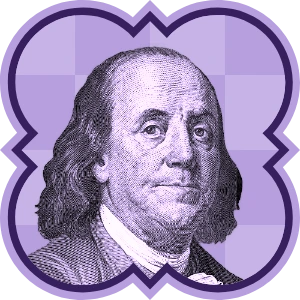
There’s a wonderful quote from Benjamin Franklin . “There are three sorts of people in the world: Those who are immovable, people who don’t get it, or don’t want to do anything about it; there are people who are movable, people who see the need for change and are prepared to listen to it; and there are people who move, people who make things happen.” And if we can encourage more people, that will be a movement. And if the movement is strong enough, that’s, in the best sense of the word, a revolution. And that’s what we need.
There was a report published uh about 18 months ago by IBM in which they uh reviewed interviews they had with 1,800 uh leaders of companies in 80 countries companies and organizations and they ask them what their priorities are what keeps them awake at night and there were two really that came out uh in reverse order they are here uh the first they said in reverse order was adaptability how do you run organizations which are uh able to respond quickly to change now this is a bottom line issue for companies uh because if you don’t adapt quickly to changing circumstances you’re very likely to go under and the history of corporate life around the world is uh populated with the corpses of once great corporations that didn’t move quickly enough.
[
Emily Chang: ] Because some others have said, “Well, there’s a lot of things in this movie that didn’t actually happen.” I mean, would you say that maybe everything in the movie didn’t happen, but they’re all based on things that did happen?[
Wozniak: ] The movie didn’t happen? Well, maybe. But you see, everything I say, every scene that I’m in—I wasn’t talking to Steve Jobs at those events. I don’t even say things like that, and I didn’t say them. But they were based upon things. For example, there’s parts of me saying, “ Steve , please, please acknowledge the Apple II team,” all the way for 15 years through the movie—like I would do that. And all it’s based on is there was one shareholders meeting where he didn’t mention the Apple II. The people in the Apple II Division were ready to quit, and I don’t complain, but on their behalf, I was their only voice. So for them, I called John Sculley—not Steve Jobs . I called John Sculley to come. So things get rebuilt into a movie in certain ways. There’s also myths about me, Steve Jobs , our relationship, what we did, and those come out in the movie more along the lines of the myth and not reality.[
Emily Chang: ] So what is the myth and what is the reality?[
Wozniak: ] Well, one of the myths is, “Okay, Steve —I just cared about the past, and Steve Jobs is for the future.” I was so gung-ho fighting every product he introduced. I was there. I loved him. I loved the products. I felt they were good because they came from Steve Jobs . I was gung-ho for them. One of them is like the Macintosh: he portrays it like a bunch of people were for the Apple II and not the Macintosh when he introduced it. You know what? We sat down—he showed me the 1984 commercial privately, and he said that the board had voted it down; we weren’t going to show it at the Super Bowl. And I was shocked. And I said—part of the reason was it cost $800,000 for the spot we had—and I said, “ Steve , I’ll pay $400,000 if you’ll pay $400,000, and we can show this. We can show this ad, because we should show it, because this is us.” I believed in the Macintosh so much. Even John Sculley believed in the Macintosh. It’s just that you have to manage a business, and it was going to take three years to build the market, and Steve didn’t understand that. These kinds of interactions come out in the movie, but the misses are sometimes different. Steve Jobs was good and they didn’t listen to him and messed up Apple? No, no, that’s not true. The movie kind of shows a true part of it, but it doesn’t really—the movie is not about reality. The movie’s about personalities: how would a discussion between Steve and John Sculley have gone down? And they even show them meeting at a later date. Steve never talked to John Sculley again in his life.