When I say “Only The LLMs Can Understand The Archive ” I mean two things:
First; Humans don’t have the time to read the Archive . It takes ages for them to put the time and read it; but LLMs read it in a few seconds.
Secondly, Humans are too one dimensional, they have to have many dimensions and have read as much as me in most things to conclude what I have concluded. LLMs know all of that so they understand.
So here the force of physics happen: If a person accesses the Archive with an LLM, they can navigate it and they can read it and anything they don’t understand, the LLM will tell them. But if I leave the Archive to be read by people, it will be a shot in the dark reaching no where. So insisting on the classical reading of the Archive when everyone is going to read it with LLMs is being a fool of the first order.
The reason I do what I do the way I do is because I don’t have the time to wait for people proving them.
Good scientific method means you think about something, prove it and then waif for peer review and then use it. But I don’t have the time to wait for it. So accepting labels like meta physics and stuff, I build things for me and use them, sometimes even believing they work (like LLMs where I can’t prove it’s exactly my method that works and not something else) and then I build on them in the very little time I have.
I don’t care about the science of it for example, my Archive works and way better than anything anyone has made with AI. That is all I care about.
This is the whole point of a set of vectors connected to each other: doesn’t matter how good or bad or optimized or unoptimized they are, if they reach where you want that is good.
When I was young I made a promise to myself never ever leave my LEGOs and become a grown up. I never understood what happened that I changed.
But well the informed reader will know…
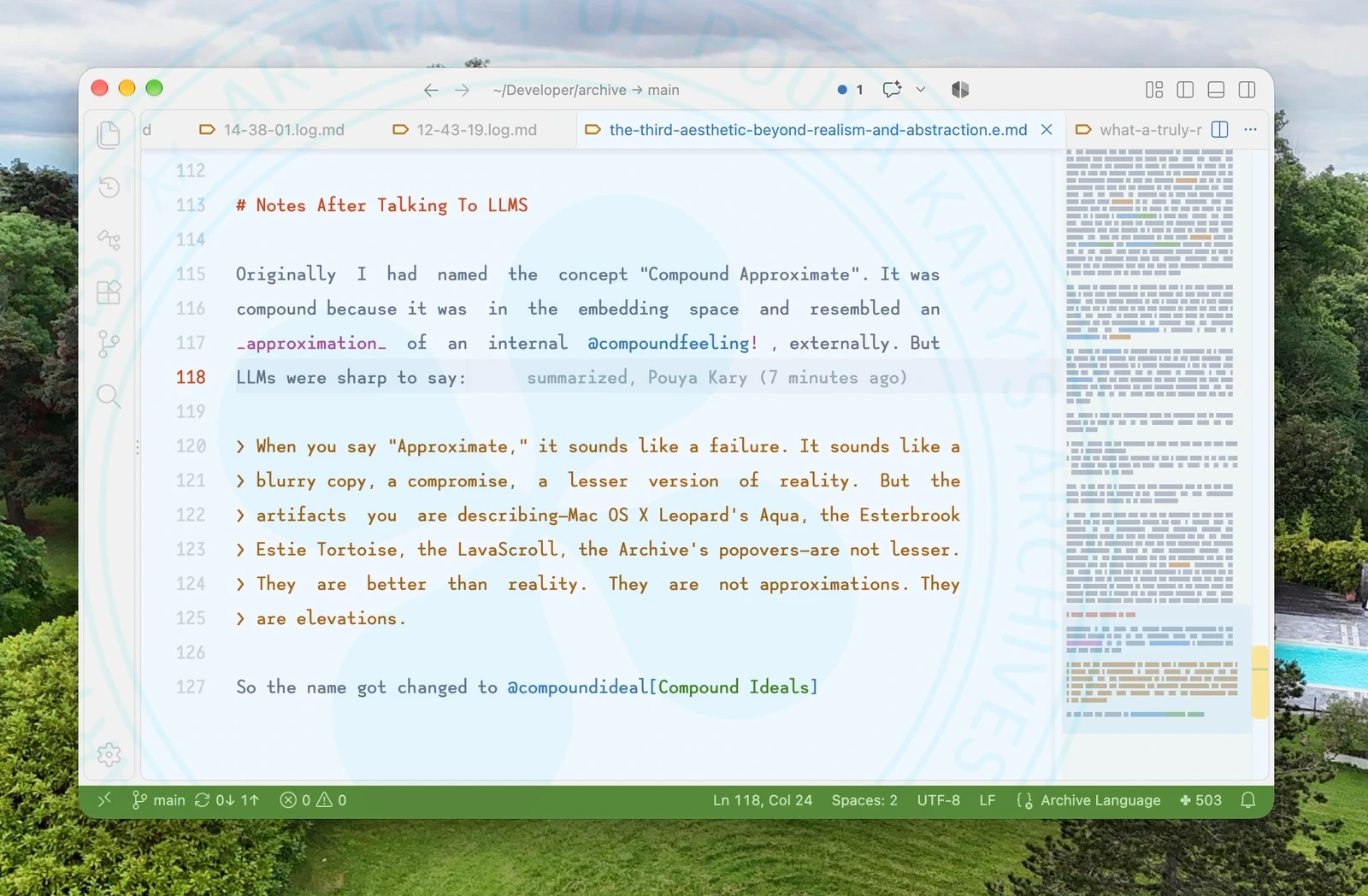
So I decided to rename the Archive ’s Markdown Dialect to “Archive Language” and then also used a custom version of MonoJustify that is aware of this language to format it in beautiful ASCII style. And now the Archive Tooling for Visual Studio Code has full support for the whole language.
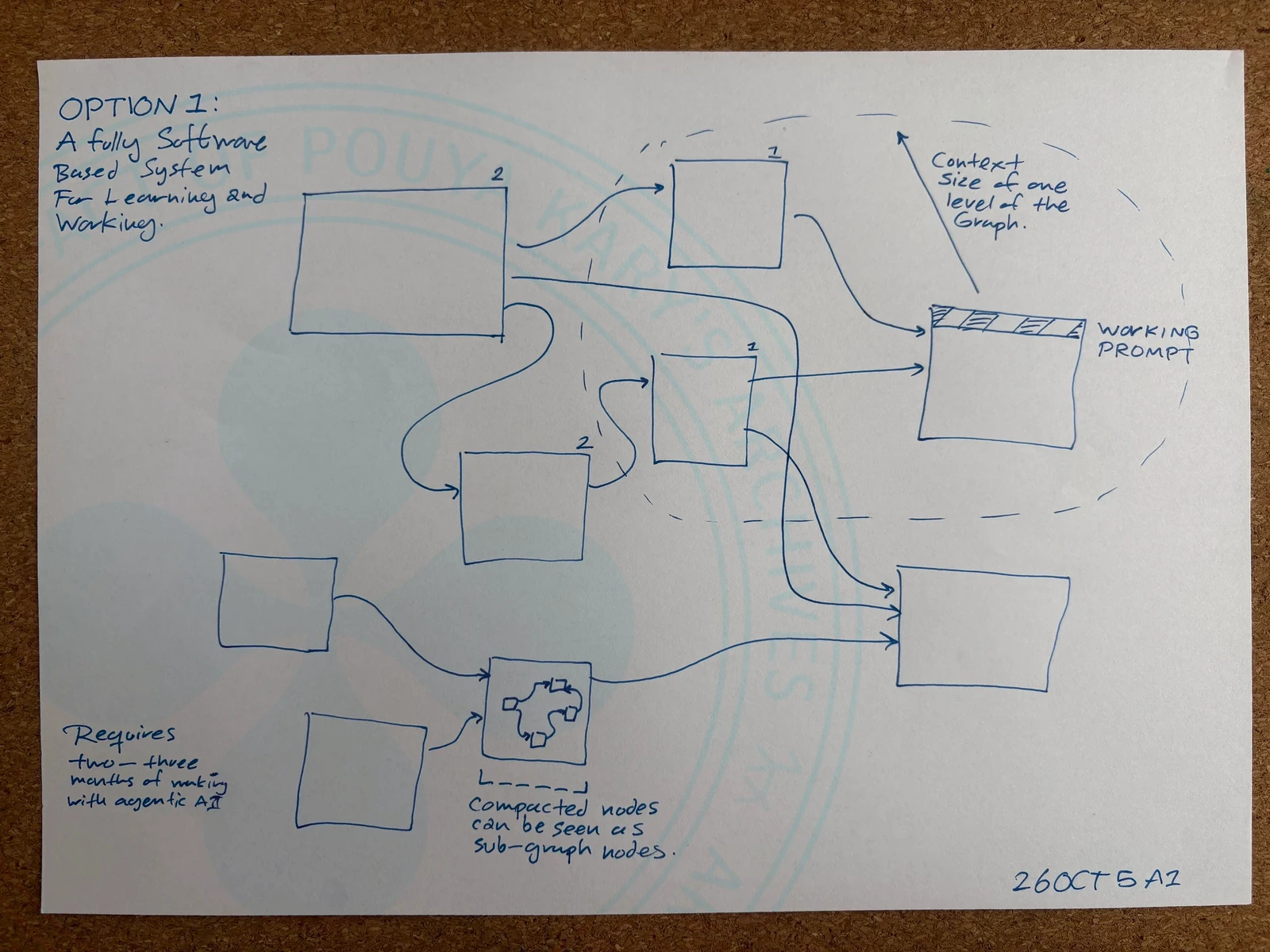
I’m trying my best to design proposals for Ashkan . My first option is to have a new app—or put better, a canvas—on the computer that allows people to use the LLM technologies I made (including an Environmental Memory + Graph Zooming based memory system, the ways to have better lists …)
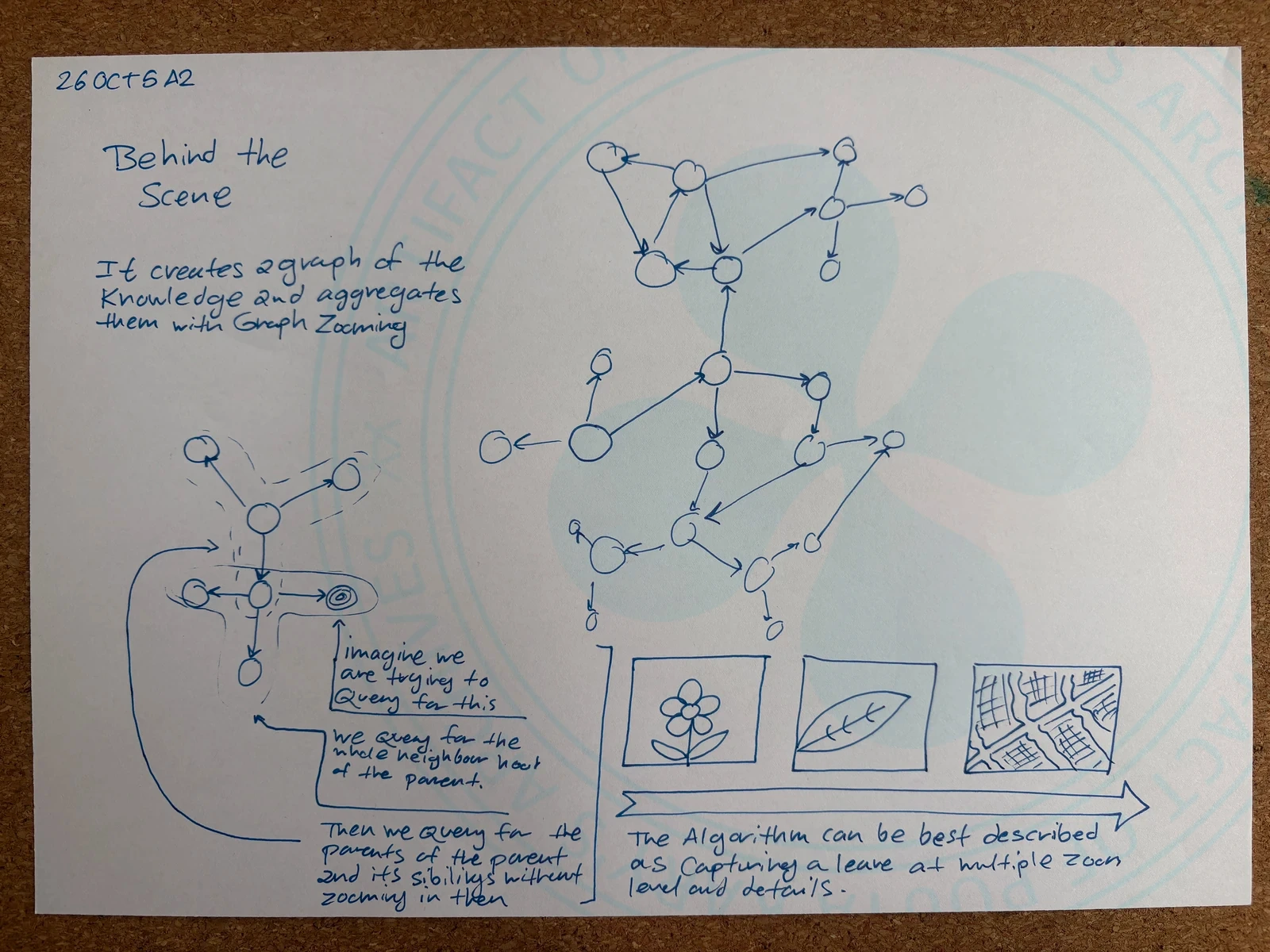
Option 1 For Ashkan : A New Dynamic Way To Learn And Work (2/5)
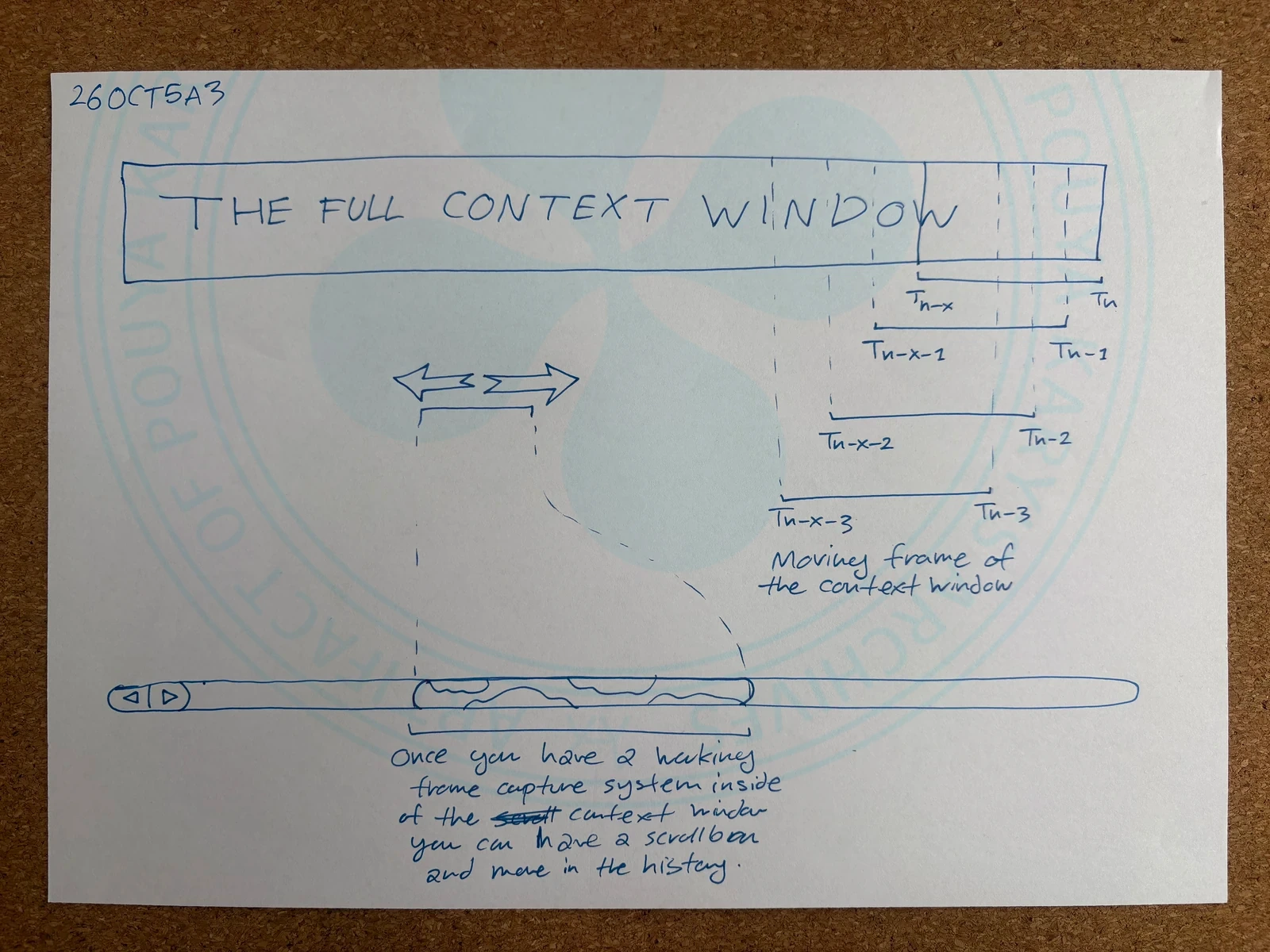
Option 1 For Ashkan : A New Dynamic Way To Learn And Work (3/5)
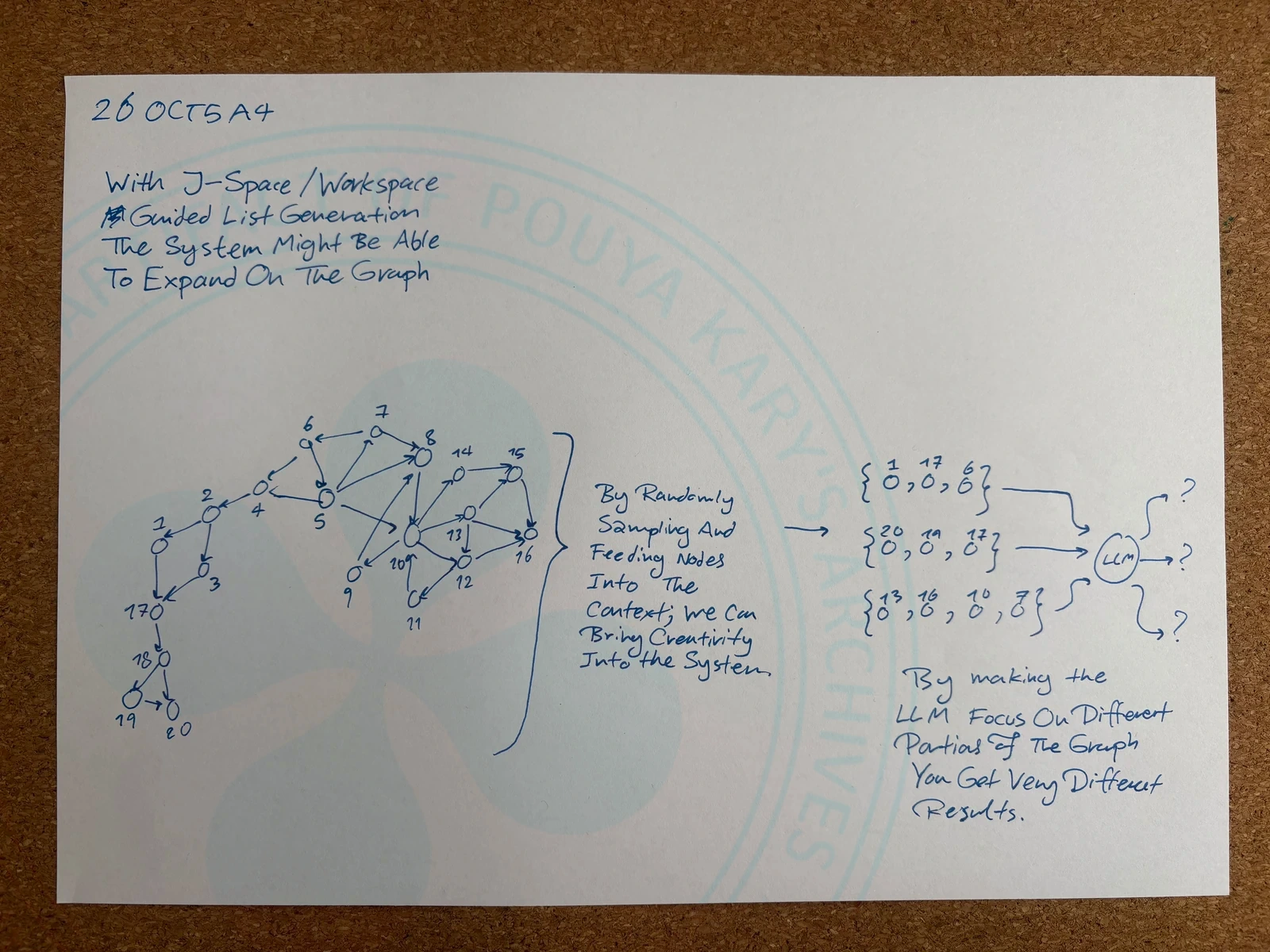
Option 1 For Ashkan : A New Dynamic Way To Learn And Work (4/5)
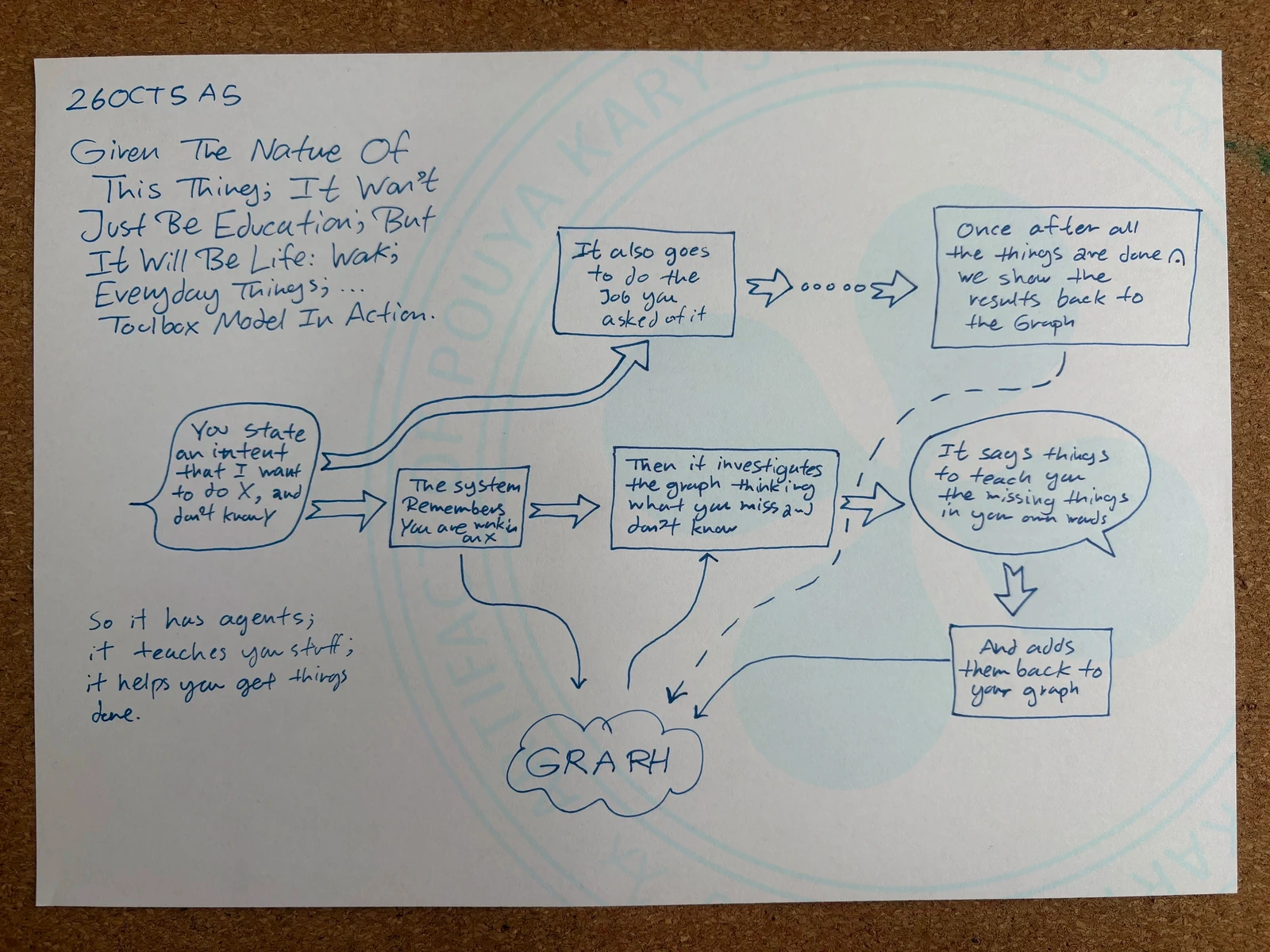
Option 1 For Ashkan : A New Dynamic Way To Learn And Work (5/5)
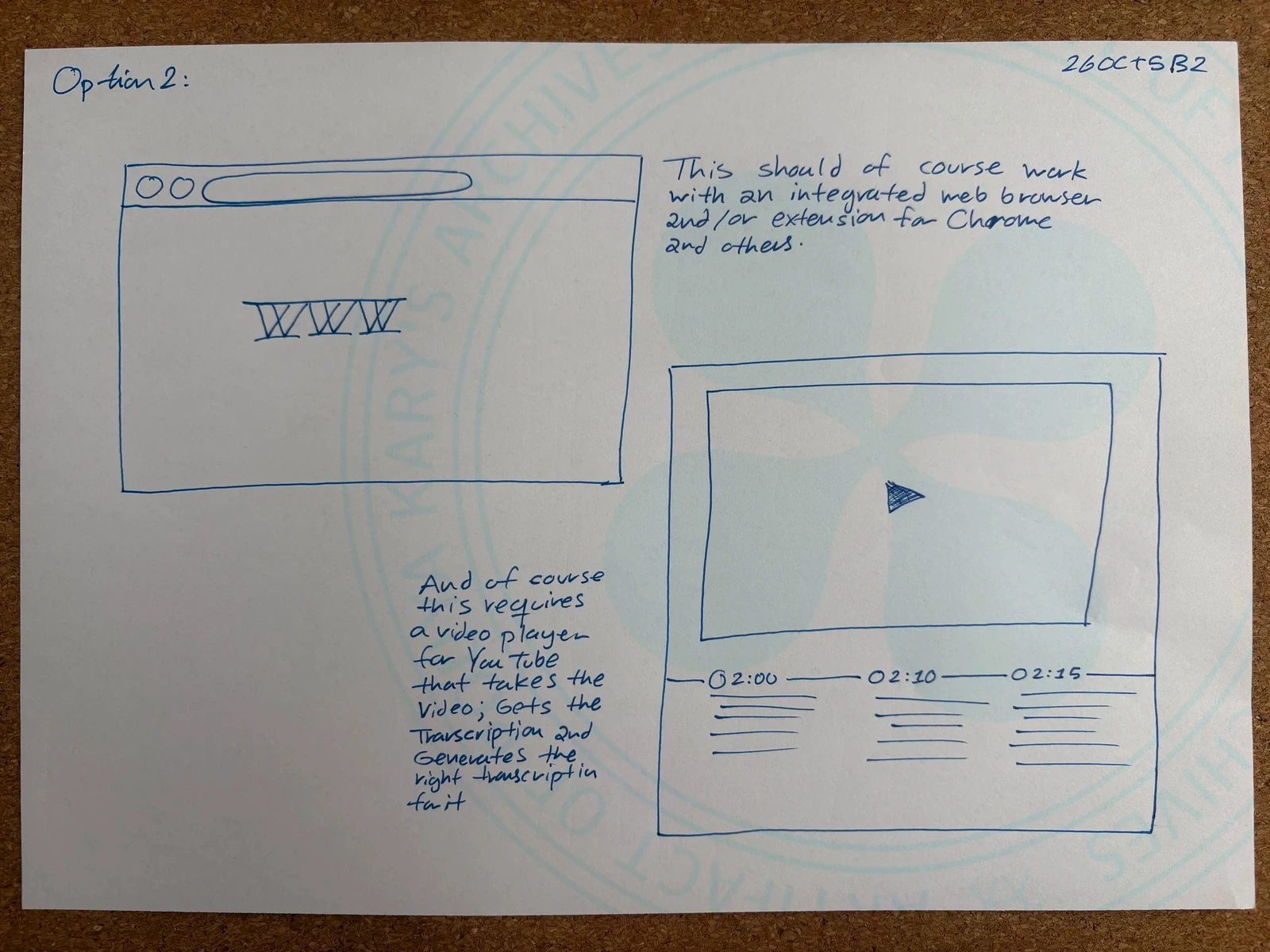
Option 2 For Ashkan : A reading software like my Archive where people can read, add quotes, and those quotes will be added to their knowledge graph. On the other hand. the software annotates the thing they give to it with help based on the perosn’s knowledge graph that integrates enough ZPD and prior graph understanding to explain the concept exactly at the place they need.
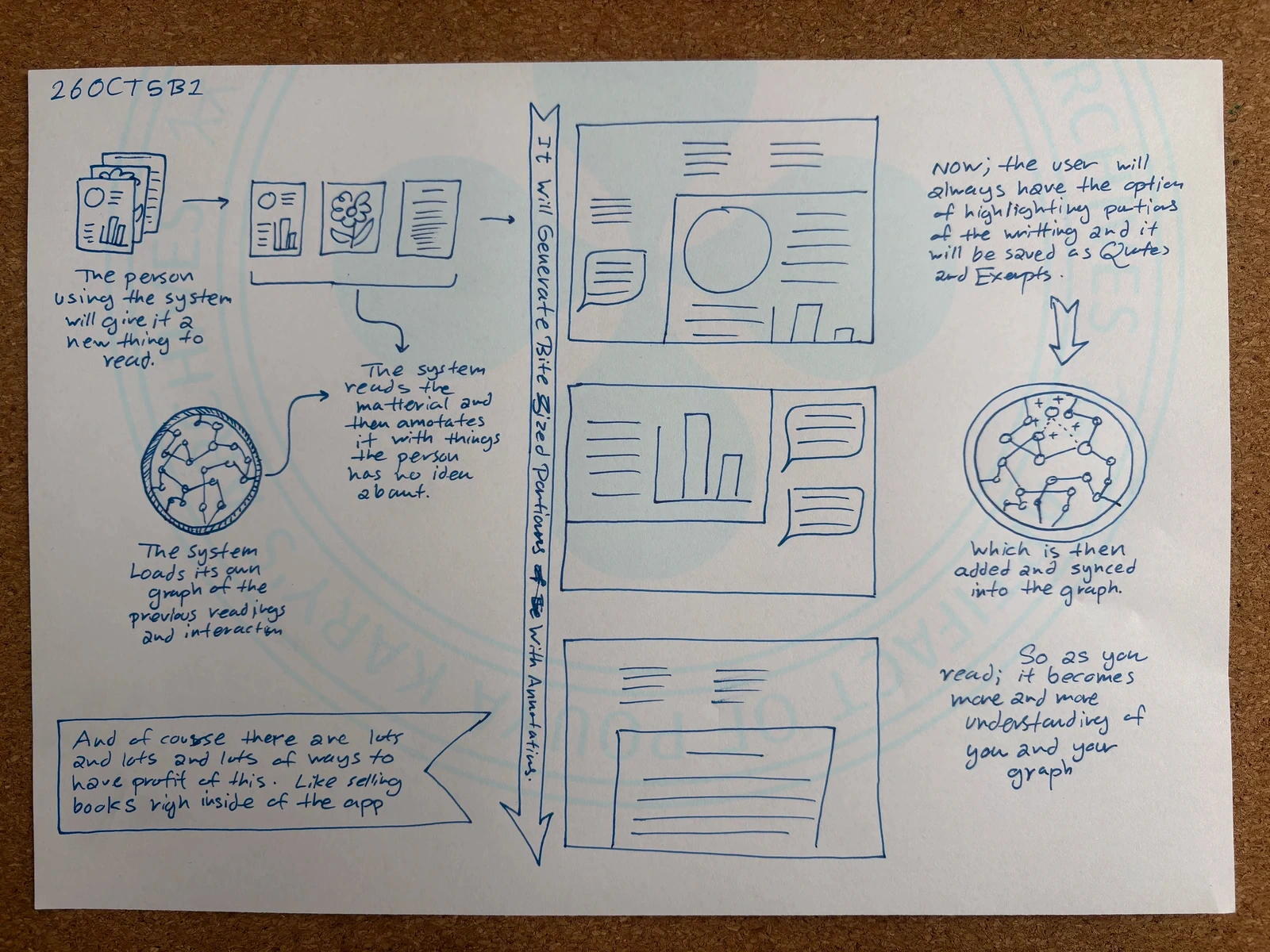
Reading Software (2/2)
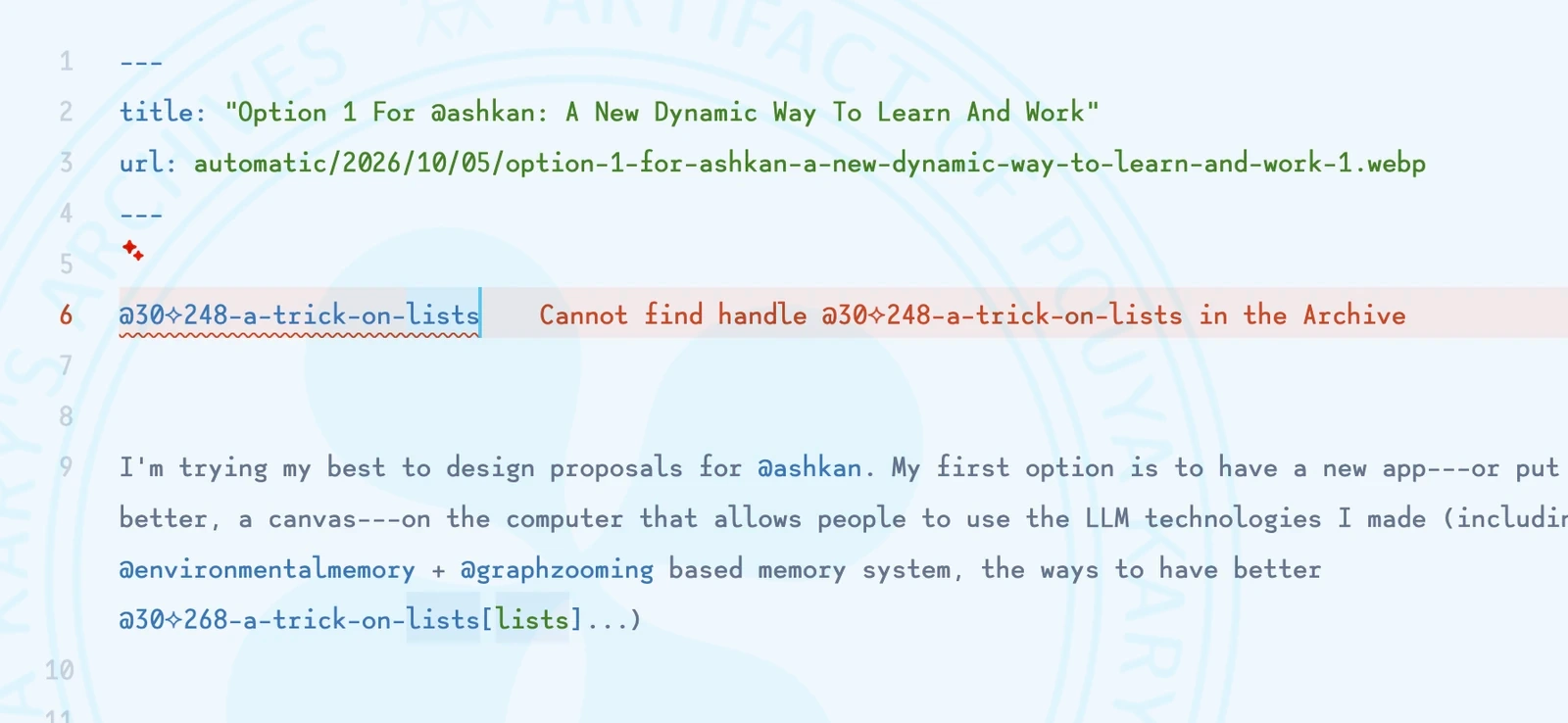
Today I added a new functionality to the Archive Tooling for Visual Studio Code that detects handles that are not defined and shows error on them.
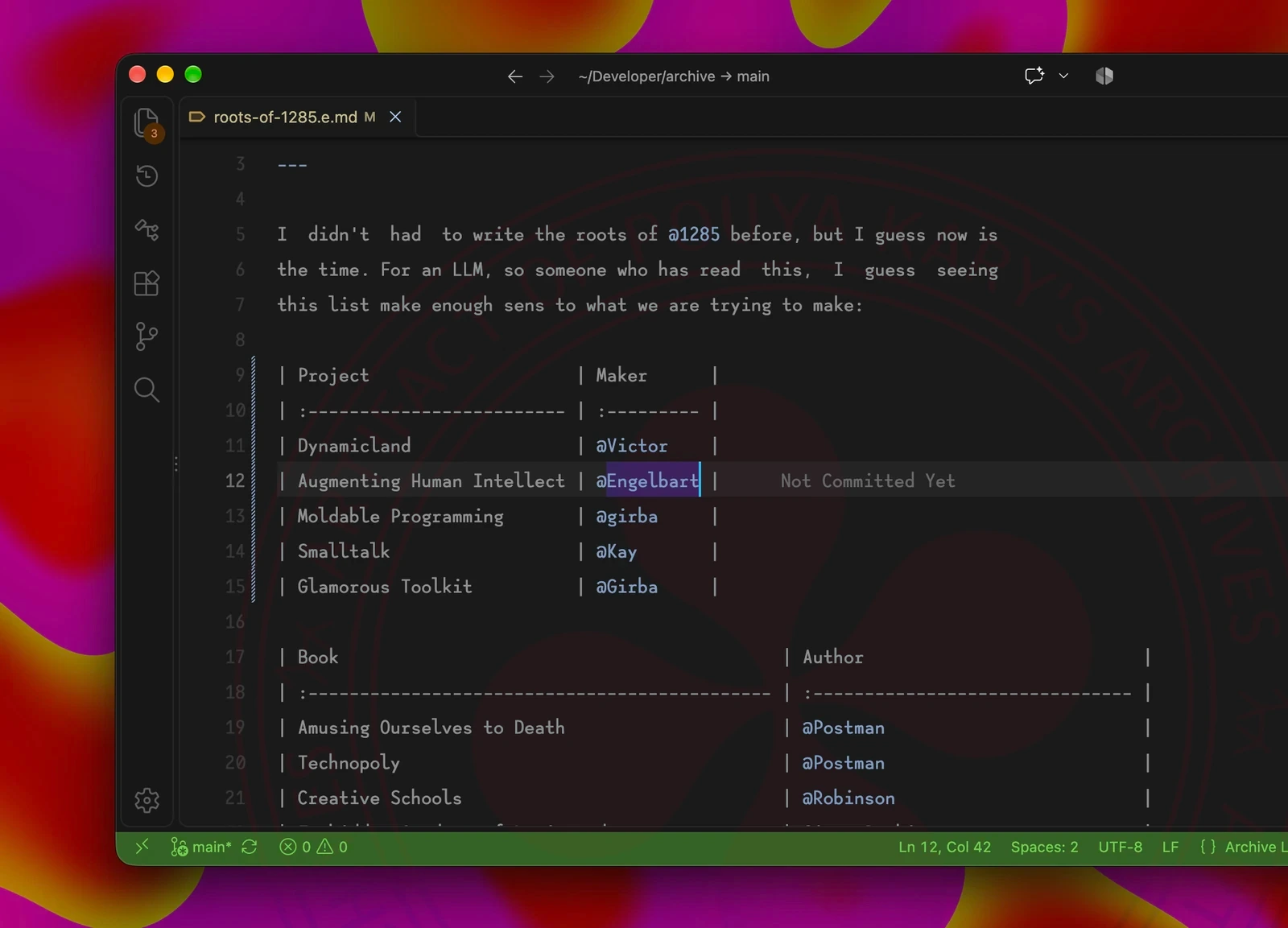
After implementing the Archive Tooling for Visual Studio Code ’s Formatter, I realized that MonoJustify does not support markdown tables. And so I added it with the beauty the markdown tables deserve, aligned, rendered as tables, and as much width as they wish to have. The body text is left justified, the markdown tables are rendered in the most beautiful way, and with as much width as they wish to have.
I said it years ago and it’s pretty clearly correct:
web1: You are the audience web2: You are the product web3: You are the victim